

Tennessee’s warm, humid climate and diverse geography create perfect conditions for numerous pest species to flourish year-round. The state’s mild winters and hot, muggy summers provide an ideal environment where insects, rodents, and other unwanted creatures can breed and multiply rapidly. From the Mississippi River plains in the west to the Appalachian Mountains in the east, Tennessee’s regions host diverse pest populations that adapt to local conditions.
Understanding the common pests of Tennessee helps homeowners recognize early warning signs before major infestations take over their homes. Seasonal pests in Tennessee vary throughout the year, with some creatures becoming more active during specific months while others remain problematic regardless of weather conditions. Spring and summer typically bring increased activity from flying insects, while cooler periods often drive outdoor pests indoors in search of warmth and shelter.
Household pests in Tennessee include both occasional invaders and permanent residents that establish colonies within homes and buildings. These unwanted guests can damage property, contaminate food sources, and pose health risks to families. Tennessee pest identification becomes important for determining appropriate treatment methods and understanding whether professional intervention is necessary.
Identifying the Most Problematic Indoor Pests in Tennessee Homes
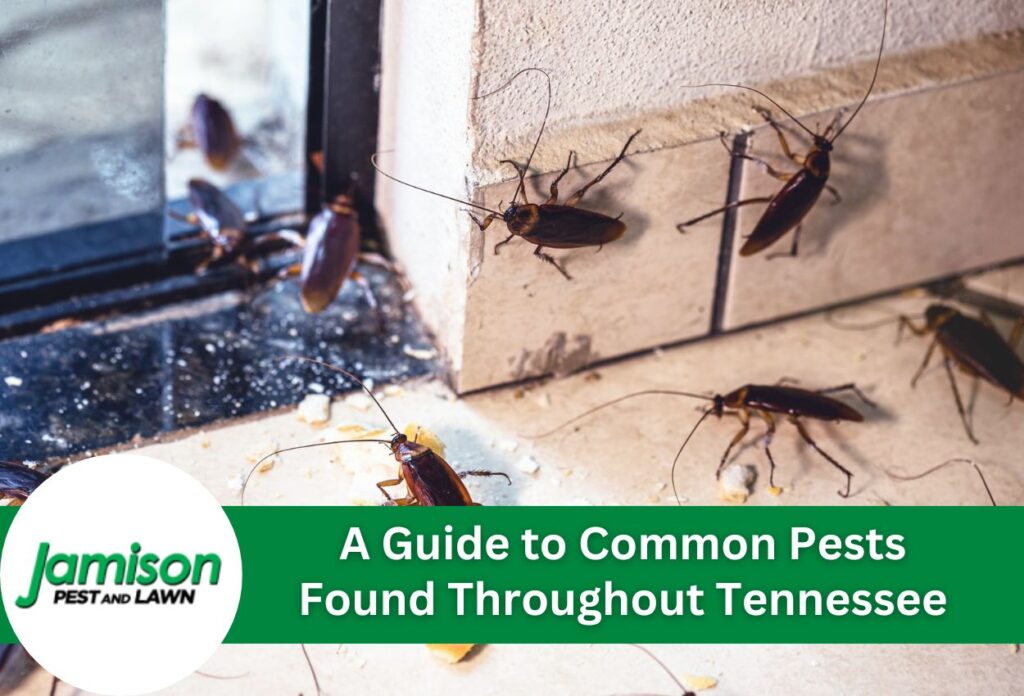
Several species consistently cause the most significant problems for Tennessee homeowners, with cockroaches leading the list of troublesome invaders. American cockroaches, often called palmetto bugs, can grow up to 2 inches long and appear reddish-brown with yellowish markings. German cockroaches are smaller, light brown insects that multiply rapidly in warm, wet areas like kitchens and bathrooms.
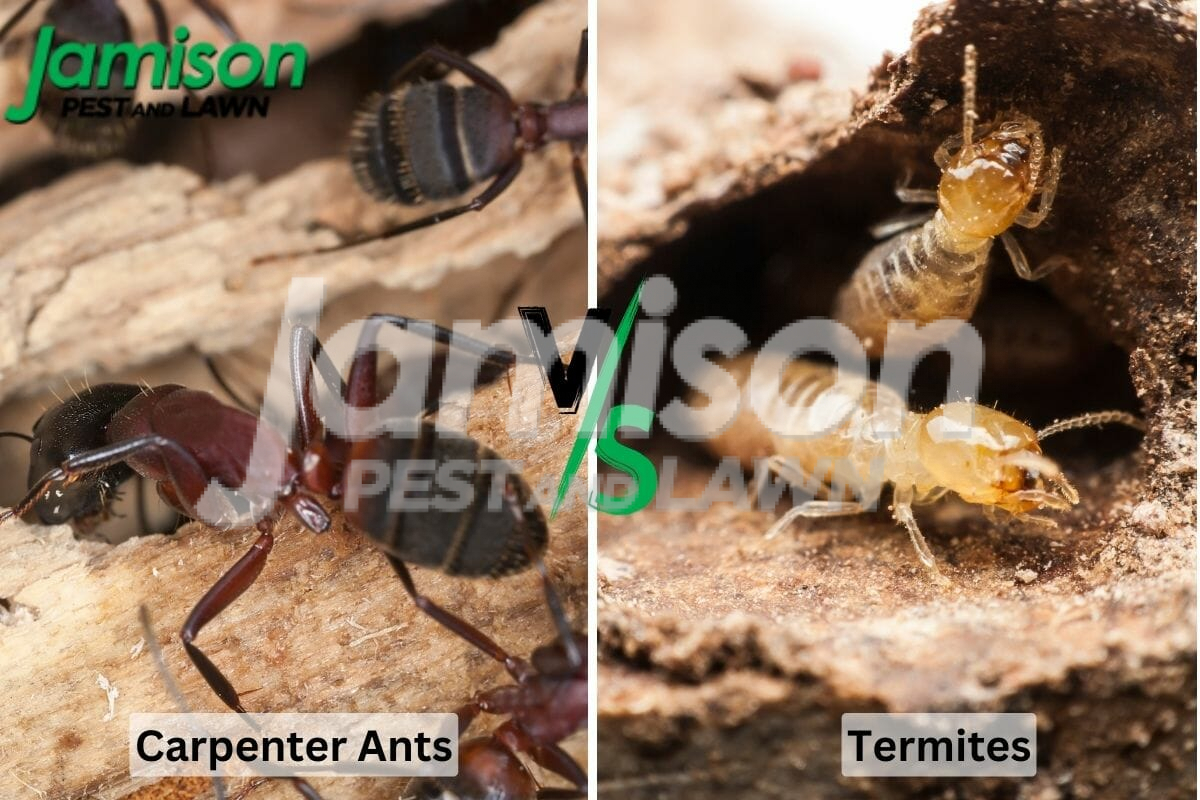
Ants are another major household pest in Tennessee, with carpenter ants being particularly destructive. These large, black insects tunnel through wooden structures, creating pockets of carved wood that weaken building materials. Fire ants, identifiable by their aggressive behavior and painful stings, often establish colonies near foundations and enter homes through small cracks.
Common house spiders and brown recluse spiders frequent Tennessee residences, with brown recluses posing serious health concerns due to their venomous bite. These spiders are light to dark brown with a violin-shaped marking on their backs, and have six eyes, opposed to the eight that most spiders have.
Tennessee pest identification becomes easier when homeowners recognize the evidence these creatures leave behind. Cockroach droppings resemble small, dark pepper flakes, while carpenter ants leave piles of sawdust-like material called frass near their entry points. Spider webs in corners and undisturbed areas indicate active populations, and small grease marks along baseboards often signal regular pest traffic patterns throughout the home.
Outdoor Pests That Threaten Tennessee Yards and Gardens
There are plenty of outdoor pests in our state, and while many of them are risks to your or your family’s health, many of them can also impact your property in negative ways.
Grubs: The larvae of various beetle species, these pests tunnel beneath grass surfaces and feed on root systems, creating brown patches and weakened turf that easily pulls away from the soil. These white, C-shaped insects become particularly active during late summer and early fall when they cause the most visible damage to established lawns.
Chinch Bugs: These bugs present another serious challenge for Tennessee homeowners. They are tiny black insects with white wings that feed on grass blades and inject toxins that cause yellowing and death in affected areas.
Armyworms: They earn their name by moving across yards in large groups, consuming entire sections of grass overnight, and leaving behind bare soil in their wake.
Wasps and Hornets: These aggressive pests make their nests in eaves, trees, and ground cavities, becoming aggressive when defending their colonies.
Mosquitoes: These parasites breed in standing water sources and transmit diseases while creating annoying, itchy welts on exposed skin.
Ticks: One of the most significant health risks, they attach to humans and pets, potentially transmitting Lyme disease and Rocky Mountain spotted fever.
These seasonal pests in Tennessee become most active during warmer months, hiding in tall grass and wooded areas where they wait for passing hosts to brush against vegetation.
How Tennessee Seasons Affect Pest Activity and Behavior Patterns
Seasonal changes dramatically influence pest behavior throughout Tennessee, with spring and summer triggering increased activity and reproduction cycles for most species. As temperatures rise above 50 degrees Fahrenheit, overwintering insects emerge and begin establishing new colonies. Termites swarm during warm, humid days following spring rains, while ants increase foraging activities to support rapidly growing populations.
Summer heat accelerates breeding cycles for common pests in Tennessee, with some species producing multiple generations within a single season. Cockroaches reproduce most actively during hot, humid weather, while mosquitoes require warm temperatures for egg development in standing water sources. Flying insects like wasps and hornets reach peak colony sizes by late summer, making them more aggressive when defending established nests.
Fall weather changes trigger different responses as outdoor temperatures begin dropping. Many seasonal pests in Tennessee start seeking indoor shelter, with rodents, spiders, and occasional invaders like boxelder bugs attempting to enter heated structures. Overwintering insects slow their metabolisms and find protected spaces under mulch, tree bark, or building materials.
Winter conditions force most Tennessee pest identification issues indoors, where heated environments allow continued activity for established populations. While outdoor species enter dormancy or die off, household pests in Tennessee that have already gained access continue reproducing throughout the late fall and into winter. Understanding these behavioral patterns helps homeowners anticipate when different species will become problematic and implement appropriate Tennessee pest prevention strategies before populations peak.
Health Risks and Property Damage Caused by Tennessee Pests
Tennessee pests pose serious health threats through disease transmission, with mosquitoes serving as the primary carriers for West Nile virus, Zika virus, and eastern equine encephalitis. These flying insects breed in stagnant water sources and actively seek blood meals from humans and pets, potentially spreading pathogens through their bites. Ticks represent another significant health concern, transmitting Lyme disease, Rocky Mountain spotted fever, and ehrlichiosis when they attach to hosts and remain feeding for extended periods.
Rodents create substantial health hazards by contaminating food sources and living spaces with their droppings, urine, and saliva. Mice and rats can spread salmonella, hantavirus, and rat-bite fever, while their constant gnawing behavior spreads bacteria throughout homes. Cockroaches trigger asthma attacks and allergic reactions while carrying pathogens like E. coli and Staphylococcus on their bodies from sewers and garbage areas.
Property damage from destructive Tennessee pests can result in thousands of dollars in repair costs for homeowners and businesses. Termites silently consume wooden structures from the inside out, weakening support beams, floor joists, and wall framing before visible damage appears. Carpenter ants excavate galleries through solid wood, creating hollow chambers that compromise structural integrity over time.
Additional property threats include rodents chewing through electrical wiring, creating fire hazards, and fabric pests like carpet beetles destroying clothing, upholstery, and carpeting throughout affected buildings.
Proven Prevention Strategies to Keep Pests Away From Your Property
Effective Tennessee pest prevention begins with eliminating the basic necessities that attract unwanted creatures to residential properties. Moisture control is the most important factor, as household pests in Tennessee thrive in humid environments. Repairing leaky pipes, improving ventilation in basements and crawl spaces, and ensuring proper drainage around foundations is a great way to make sure these pests don’t gain a foothold in any area where they could multiply. Installing dehumidifiers in problem areas and fixing damaged gutters prevents water accumulation that attracts cockroaches, termites, and other moisture-loving species.
Food source elimination requires diligent sanitation practices both indoors and outdoors. Storing pantry items in sealed containers, cleaning up crumbs immediately, and maintaining spotless kitchen surfaces remove the primary attractants for ants, cockroaches, and rodents. Pet food should be stored in airtight containers, and feeding areas cleaned regularly, as these provide easy meals for pests.
Structural modifications create physical barriers that prevent pest entry into homes and buildings. Sealing cracks around foundations, windows, and doors with caulk or weatherstripping blocks access routes for crawling insects and small rodents. Installing door sweeps, repairing damaged screens, and covering vents with fine mesh prevent flying insects from entering living spaces.
Chemical prevention methods include applying perimeter treatments with residual insecticides around building exteriors and using targeted baits for specific pest species. Natural alternatives like diatomaceous earth and essential oil-based repellents provide environmentally friendly options for Tennessee pest prevention without harsh chemical exposure.
When to Contact Professional Pest Control Services
Recognizing when pest problems exceed homeowner capabilities requires understanding specific warning signs that indicate infestations have grown beyond basic treatment methods. Multiple pest sightings during daylight hours suggest established populations, as nocturnal creatures like cockroaches and rodents typically remain hidden unless overcrowding forces them into open areas. Structural damage such as chewed wires, gnawed wood, or visible tunneling indicates destructive species have had sufficient time to cause significant harm, requiring professional assessment.
Recurring infestations despite consistent DIY treatments signal that underlying causes remain unaddressed or that resistance has developed within pest populations. When household pests in Tennessee continue appearing after multiple store-bought treatment attempts, professional intervention becomes necessary to identify contributing factors and implement comprehensive solutions. Health concerns arise when family members experience unexplained bites, respiratory issues, or allergic reactions that may be linked to pest activity.
Professional pest management services provide thorough property inspections that identify all contributing factors and potential entry points that homeowners often overlook. Licensed technicians possess specialized equipment and treatment products unavailable to consumers, allowing for targeted applications that address specific species behavior patterns. During initial inspections, professionals assess moisture conditions, structural vulnerabilities, and sanitation issues while developing customized treatment plans.
Treatment processes typically involve multiple service visits to break reproductive cycles and monitor progress, with ongoing prevention strategies that adapt to seasonal pests in Tennessee’s activity patterns throughout the year.
Protect Your Tennessee Home from Common Pests with Jamison Pest and Lawn
Dealing with common pests in Tennessee can be a daunting task, but you don’t have to face it alone. Whether it’s the seasonal surge of mosquitoes in the summer or the sudden appearance of ants in your kitchen, understanding the unique behaviors and prevention techniques for these pests is crucial. If you’re noticing signs of infestation or simply want to ensure your home remains pest-free, professional help is just a call away.
Don’t let pests take over your living space. Contact Jamison Pest and Lawn today at (901) 452-1505 for expert pest control services. Our team is equipped with the knowledge and tools to effectively manage any pest problem, ensuring your home and family are protected year-round. Act now to secure a pest-free environment!