


Wasp Control in Millington, TN
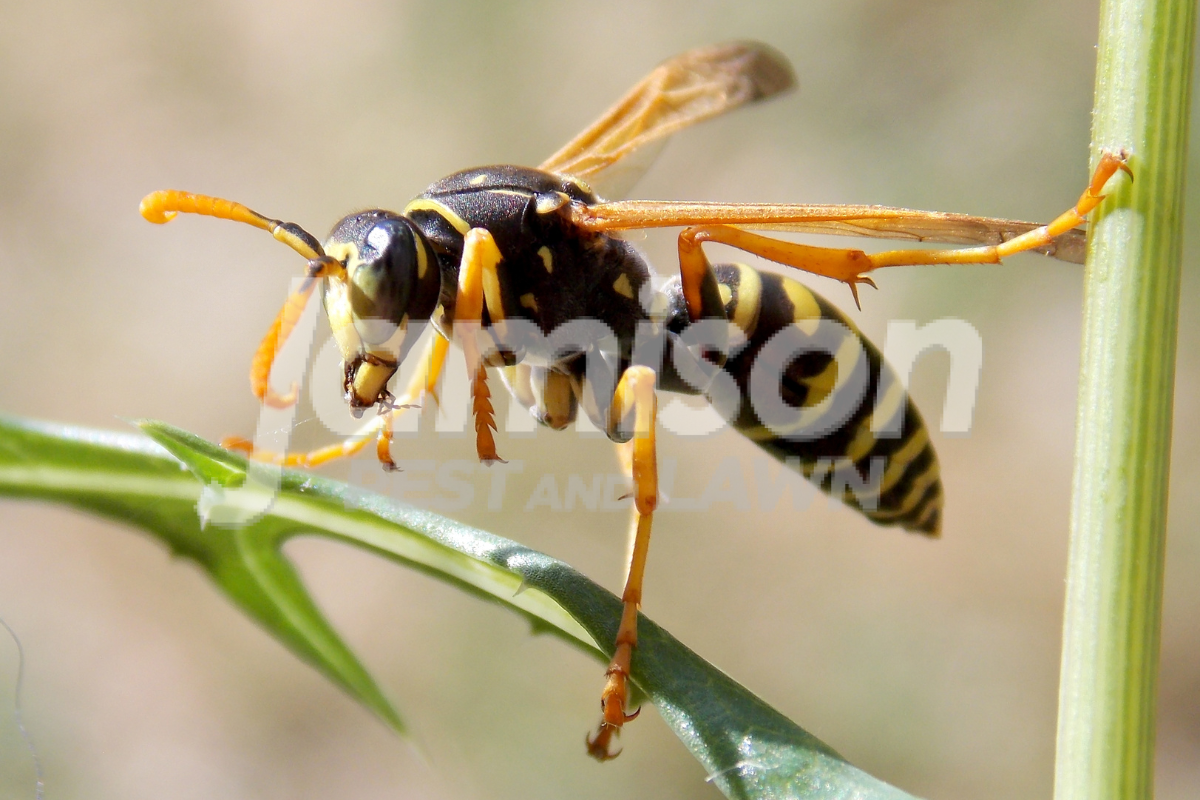
Millington's warm, humid summers create nearly ideal conditions for wasps to thrive. With temperatures regularly climbing into the 90s and a long active season stretching from spring well into fall, wasp colonies have more time to grow here than in cooler parts of the country. That matters because larger colonies mean more aggressive behavior, and in Millington's older housing stock, it often means nests tucked inside wall cavities, attics, and soffits where they go unnoticed until the problem is already serious. Yellow jackets are especially aggressive as summer progresses, and their tendency to nest in the ground around foundations makes them easy to stumble across without any warning.
The structure of many Millington homes adds another layer of difficulty. Gaps in older construction, deteriorating caulking, and worn gable vents give wasps easy access to protected spaces where standard exterior treatments simply cannot reach. Once a nest is established inside a wall, removal requires a different approach entirely, one that starts with a careful interior inspection before any treatment begins. That kind of targeted work is what separates a real fix from a temporary one.
Jamison Pest and Lawn works specifically in communities like Millington and understands how local construction, weather patterns, and wasp behavior interact on residential properties. The goal is not just removing what is visible today but protecting your home from the conditions that invite wasps back season after season.
How Wasp Control Works in Millington, TN
Not knowing what to expect from a pest control visit can make the process feel more complicated than it needs to be. Here is how Jamison Pest and Lawn handles wasp control from start to finish.
- Step 1: Initial Inspection
A technician evaluates the property to identify active nests and locate entry points where wasps are accessing or building nests. This includes eaves, soffits, gable vents, ground-level gaps near the foundation, and hidden interior areas in older homes where wall or attic nesting may occur. Findings from this inspection determine the full scale of services. - Step 2: Treatment Plan Development
Once the situation is assessed, a property-specific treatment plan is created. Different nesting types, such as ground colonies, wall void infestations, and exposed exterior nests, require different methods. The plan is explained clearly before any treatment begins. If no actionable infestation is present, that is communicated directly. - Step 3: Professional Treatment Application
Treatment is applied directly to active nest sites using methods selected for the nest type and location. Interior wall nests require targeted application rather than surface-level treatment. The focus is on eliminating the colony at its source rather than temporarily dispersing activity. - Step 4: Results Review and Documentation
After service is completed, the technician reviews what was found and what actions were taken. A record of the inspection and treatment is provided so you can track conditions and identify any recurring patterns over time. - Step 5: Follow-up Scheduling and Ongoing Plan
Because nesting sites can be reused in future seasons, follow-up service may be discussed depending on property conditions. Ongoing treatment is only recommended when there is a clear indication that repeat activity is likely.
Wasp Species and Nesting Patterns in Millington, TN
Not all wasp problems are the same, and the species involved makes a real difference in how treatment needs to be approached. Millington homeowners commonly encounter paper wasps, yellow jackets, and hornets, each with distinct nesting habits and behavior patterns that shape the risk they pose to your household.
| Species | Common Nesting Location | Key Risk Factor |
|---|---|---|
| Paper Wasps | Eaves, soffits, and wall cavities in older construction | Hidden interior nests that grow undetected for weeks |
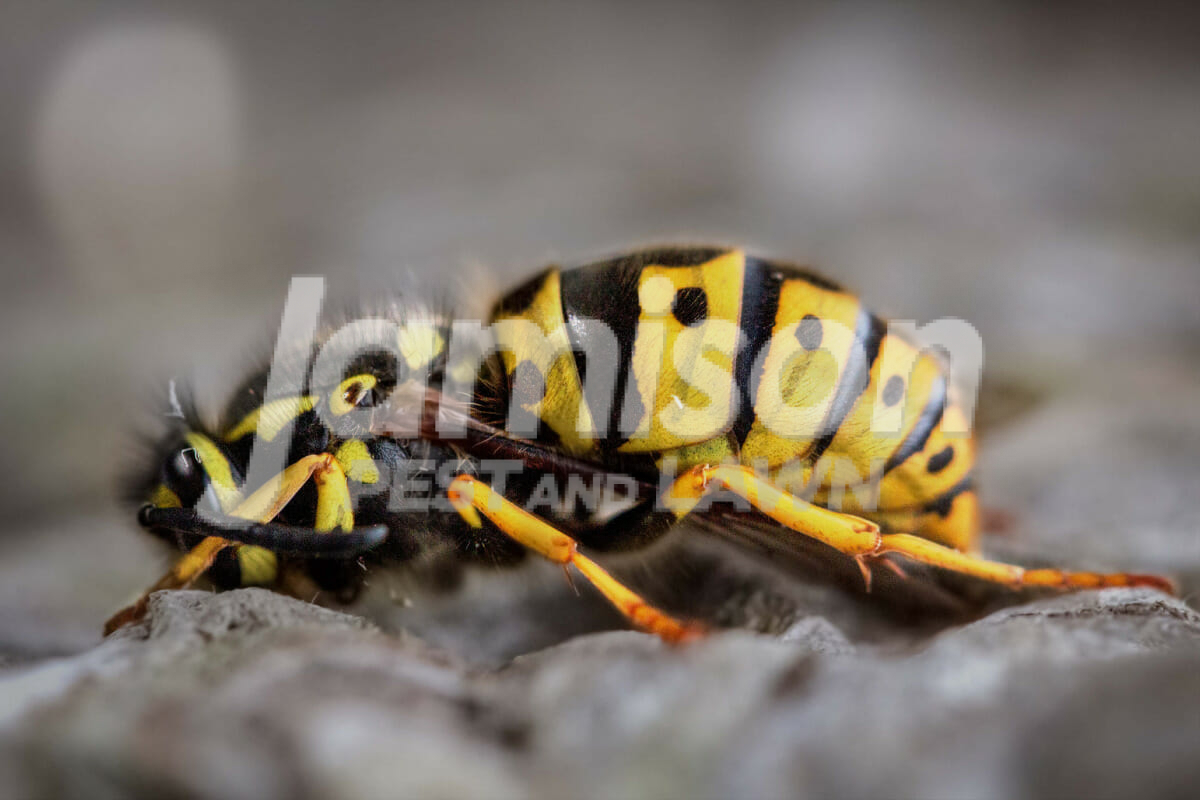
| Yellow Jackets | Ground near foundations, landscaping, and wall voids | Increasing aggression as summer progresses: ground nests are easy to disturb accidentally |
| Hornets | Tree branches, overhang structures, attic spaces | Large colony size and defensive response when the nest is disturbed |
Yellow jackets deserve particular attention in Millington because the extended warm season allows their colonies to reach larger populations than homeowners often expect. By late summer, a single ground nest near your foundation can house hundreds of workers, and scavenging activity around outdoor dining areas or pet feeding stations increases sharply. One detail many homeowners do not realize is that once wasps have nested in a structure, pheromone markers left behind continue attracting new colonies in the following seasons, which is why a single treatment rarely resolves the problem long term.
Preventive Barrier Treatments Applied Before Peak Season
Repellent applications targeting likely nesting sites in late March and April can interrupt colony establishment before populations have a chance to build. Treating your property during this early window, when queens are just beginning construction, is far more effective than waiting until a full colony is active mid-summer.
Targeted Treatment for Ground-Nesting Yellow Jackets
Yellow jacket colonies in soil around your foundation and landscaping require direct nest injection rather than surface spraying, which fails to reach the underground colony. Getting the treatment into the nest itself is the only way to eliminate the colony rather than push activity to a different spot in your yard.
Pheromone Marker Management to Reduce Repeat Infestation
After nest removal, chemical markers left in your walls, eaves, or soil continue signaling future wasp generations that the location is a suitable nesting site. Addressing these residual attractants as part of treatment helps break the cycle that causes wasps to return to the same spots year after year.
Weather-Driven Structural Entry Point Identification
Heavy rainfall pushes wasps into dry, protected spaces, and homes with drainage issues, missing gutters, or moisture damage become prime targets for nesting. Identifying and noting these structural vulnerabilities during service gives you a clear picture of what makes your property attractive, so those conditions can be corrected.
Schedule Wasp Control Service in Millington, TN
Millington's long warm season gives wasp colonies more time to grow and more opportunities to settle into the protected spaces your home offers. Older construction with small gaps, worn vents, and aging wood gives wasps easy entry, and once a nest is established inside a wall or attic, the problem rarely resolves on its own. Addressing wasp activity before summer is fully underway gives you the best chance of stopping a colony before it reaches the size where it becomes genuinely dangerous to your family.
Jamison Pest and Lawn is familiar with the specific conditions Millington properties present, from ground-nesting yellow jackets near foundations to hidden paper wasp colonies inside wall cavities. If wasps have found their way onto your property, the right time to deal with them is before the situation grows. Reach out to Jamison Pest and Lawn whenever you are ready, and someone will help you figure out the best next step.
Frequently Asked Questions
Got questions about your roof? We’ve got answers. From maintenance tips to insurance claims and repair timelines, our FAQ section covers the most common concerns homeowners have. Get informed and make confident decisions about protecting your home.
Why do wasps keep coming back to the same spot on my house every year, even after I had a nest removed?
Wasps leave behind pheromone markers at former nest sites, and those chemical signals remain on your walls, eaves, and wood surfaces long after a nest is gone. New queens emerging in spring can detect these markers and are drawn to the same locations as highly attractive nesting sites. This is one of the reasons why wasp problems on Millington properties tend to repeat year after year rather than resolve after a single treatment.
Are properties near the wooded edges of Millington at higher risk for wasp problems than homes in more central neighborhoods?
Yes, proximity to wooded areas does affect both the timing and intensity of wasp activity on your property. Homes bordering tree cover or open land encounter foraging and nesting pressure earlier in the season and often deal with higher overall activity than properties deeper in residential zones. That difference matters when deciding how early in the year to schedule preventative treatment and whether a single-season approach is likely to be enough.
What makes yellow jacket nests near a foundation more difficult to treat than a visible paper wasp nest on my eaves?
Yellow jacket colonies in the soil are often larger and harder to locate than nests you can see, and surface spraying around the entrance does nothing to reach the colony itself. Effective treatment requires getting the product directly into the nest, which means identifying the actual entry point rather than just treating the surrounding area. In Millington's extended warm season, these underground nests can grow to a significant size before a homeowner ever notices them, making accurate treatment placement especially important.
Contact Us
Stressed Because Of The Pest? Contact Jamison Pest and Lawn Today!
Footer Form