

Spider Control in Millington, TN
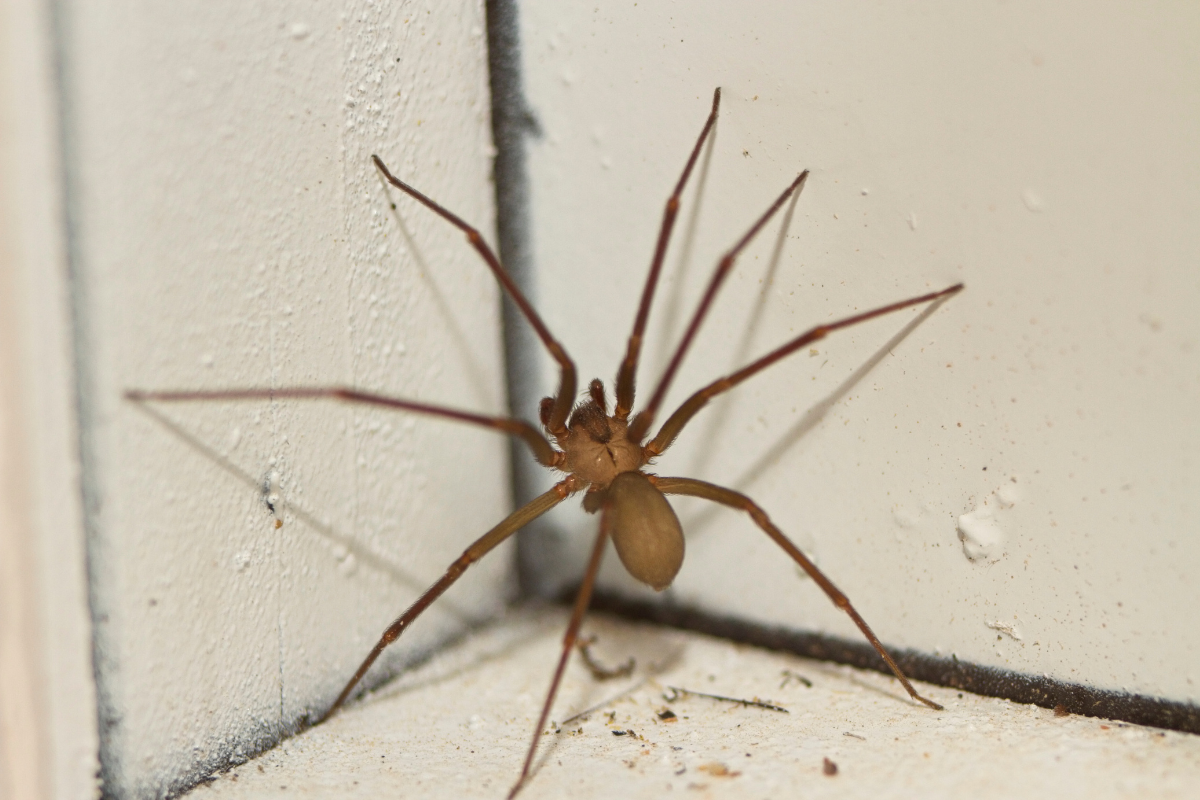
Millington sits in a part of Tennessee where hot, humid summers and mild winters give spiders nearly year-round conditions to thrive. Unlike colder regions where spider activity shuts down hard in late fall, spiders here can stay active well into November, with activity only really tapering off during the coldest stretch of winter. That extended season matters because it means your home has more opportunities to become a harborage point, especially if you have a crawl space, older siding with cracks, or vegetation growing close to the foundation. When you factor in species like the brown recluse and black widow, this stops being a nuisance issue and becomes a genuine concern for your family's safety.
The conditions that make Millington comfortable for people also make it comfortable for spiders. Frequent rain keeps insect populations high, and spiders follow their food source. Weep holes in brick veneer, gaps around windows and pipes, and humid crawl spaces all give spiders easy access and a reason to stay. Effective spider control means treating those specific entry points, managing the pest pressure that draws spiders in the first place, and timing treatments around local activity patterns.
Jamison Pest and Lawn works with Millington homeowners to address all of that with a targeted, local approach. If spiders are showing up more than they should, there is usually a reason, and finding it is where good control starts.
How Spider Control Works in Millington, TN
Spider control works best when treatment addresses both active areas and the conditions allowing spiders to remain around the building. A property inspection helps identify those factors before treatment begins.
- Step 1: Property Inspection and Activity Assessment
A technician examines the home inside and out, including crawl spaces, brick weep holes, foundation gaps, siding cracks, and vegetation near the building. We look for spider activity, potential entry points, hiding areas, and conditions that may support the insects spiders feed on. If activity does not justify treatment, we will tell you that directly. - Step 2: Species Identification and Treatment Planning
The inspection findings determine how the property should be treated. We identify the spider species present, document egg sacs that may require removal, and determine which treatment methods fit the home's construction and current activity level. This keeps the treatment focused on the conditions actually found on the property. - Step 3: Targeted Treatment and Entry-Point Control
Treatment is applied to exterior entry points, perimeter areas, and locations providing shelter. Liquid applications can address suitable exterior surfaces, while dust-based products may be used in confined spaces where appropriate. Weep holes and other access points are addressed when needed to reduce opportunities for spiders to enter. - Step 4: Treatment Review and Property Findings
After treatment, your technician reviews the service with you and explains where activity was concentrated and what areas were treated. We also identify property conditions that may contribute to continued spider activity so you understand what was addressed and why. - Step 5: Follow-Up Monitoring and Maintenance
Spider activity can return after an initial treatment as conditions change throughout the year. We recommend follow-up service based on the activity observed at your property, with seasonal inspections helping identify renewed activity and maintain exterior protection before populations increase.
Spider Control Timing & Seasons in Millington, TN
Timing your spider control treatments around Millington's seasonal patterns makes a real difference in how well those treatments hold up. Each season brings different pressures, and knowing what to expect helps you stay ahead of activity before it moves inside your home.
| Season | What's Happening | Priority Action |
|---|---|---|
| Spring (March to May) | Hatchlings emerge from overwintered egg sacs as temperatures rise: spider populations reset and spread outward | Reinforce exterior barriers: seal weep holes and foundation gaps before activity builds |
| Summer (June to September) | Peak activity driven by high humidity and abundant insect prey: spiders move indoors more frequently after heavy rain | Maintain perimeter spray treatments: reapply after significant rainfall |
| Fall (October to November) | Cooling nights push black widows and brown recluses indoors: egg sac activity increases near entry points | Remove egg sacs, reinforce barrier treatments, and screen or dust weep holes |
| Winter (December to February) | Activity slows once soil temperatures drop, but some species overwinter in wall voids, crawl spaces, and attics | Inspect crawl spaces and attic edges: apply insecticidal dust to hidden harborage zones |
Getting treatments done 4 times a year aligns well with these seasonal shifts and gives your home continuous protection rather than a single treatment that fades before the next surge. Homes near wooded areas or with persistent moisture issues may benefit from staying on the closer end of that schedule.
Web & Egg Sac Removal
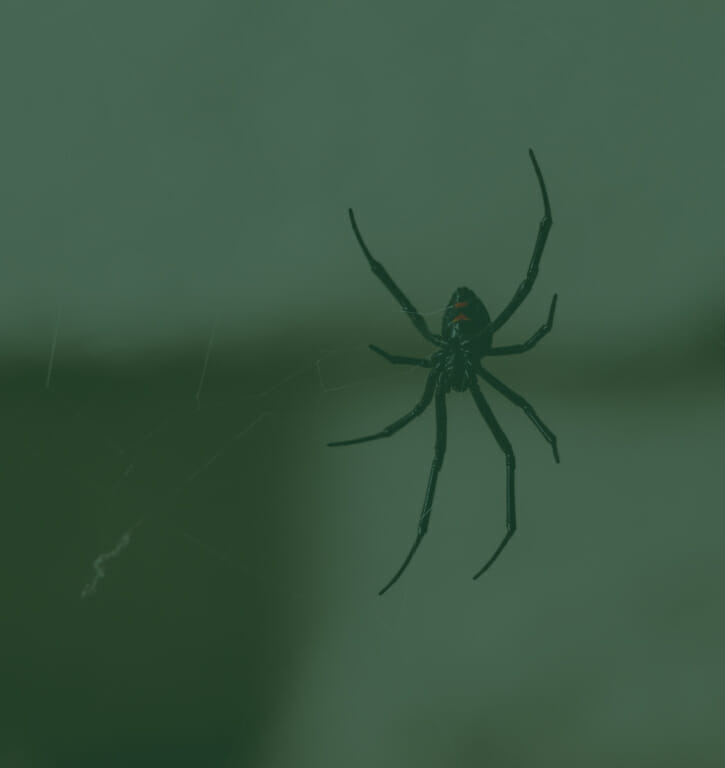
Active webs and egg sacs left in place allow populations to rebuild quickly, especially in fall when black widows move indoors specifically to lay eggs. Physical removal is part of the service, not something left for you to handle on your own.
Targeted Insect Pressure Reduction
Spiders follow their food source, so reducing the fly, moth, and ant populations around your home is one of the most reliable ways to lower spider density over time. Your treatment plan accounts for the insect pressure sustaining spider activity, not just the spiders themselves.
Weep Hole & Entry Point Sealing
Brick veneer weep holes and larger structural gaps in older Millington homes are common access points that standard caulk cannot always handle on its own. We use insecticidal dust combined with screening or steel wool and waterproof sealant where needed, closing off entry points while still allowing moisture to escape the wall cavity.
Outdoor Lighting Recommendations
Standard white bulbs attract the flying insects that spiders feed on, making your exterior lights an indirect invitation for spider activity near doors and windows. Switching to yellow-tinted or sodium vapor bulbs breaks that chain of attraction, and we will point out lighting situations on your property that may be working against you.
Get Spider Control Started in Millington, TN
Millington's warm, wet conditions give spiders more time each year to establish themselves around your home than most homeowners expect. The combination of high insect pressure, crawl space construction, and entry points that are easy to overlook means spider activity rarely resolves on its own. Keeping your family away from brown recluses and black widows is not something worth putting off, and the right treatment schedule makes it a manageable part of owning a home here rather than a recurring problem.
Jamison Pest and Lawn knows the conditions specific to this area and builds every spider control plan around what is actually happening at your property. If spiders have been showing up more than they should, or if you just want to get ahead of the season before activity picks up, reaching out to Jamison is a simple first step toward having your home treated and protected.
Frequently Asked Questions
Got questions about your roof? We’ve got answers. From maintenance tips to insurance claims and repair timelines, our FAQ section covers the most common concerns homeowners have. Get informed and make confident decisions about protecting your home.
Why do I keep finding spiders inside even after treating the exterior?
Exterior barrier sprays are effective, but spiders already inside when treatment is applied will not always be exposed to it. Crawl spaces, wall voids, and attics act as protected harborage zones where populations can persist well after the outside is treated. Treating interior areas with insecticidal dust and placing sticky monitoring traps helps identify where activity is concentrated so those zones can be addressed directly.
Do the weep holes in my brick home really make that big of a difference for spiders getting in?
They are one of the most overlooked entry points on brick veneer homes, which are common throughout the Millington area. Weep holes run the length of the exterior wall and give spiders a direct path into the wall cavity, where conditions stay cool, dark, and undisturbed year-round. Treating those openings with insecticidal dust and adding fine screening closes off that access while still allowing moisture to drain out of the wall as intended.
Is fall actually the most important time of year to treat, or is that just when spiders become more visible?
Both are true, but fall carries extra urgency because cooling temperatures specifically drive black widows indoors to lay eggs rather than simply looking for warmth. An egg sac left in place over winter can release dozens of spiders by spring, which is why egg sac removal and a reinforced barrier treatment in October and November matter more than homeowners usually realize. Visibility increases in fall partly because spiders are on the move, and catching that window early keeps populations from resetting inside your home before the following season.
Contact Us
Stressed Because Of The Pest? Contact Jamison Pest and Lawn Today!
Footer Form