


Rodent Control in Millington, TN
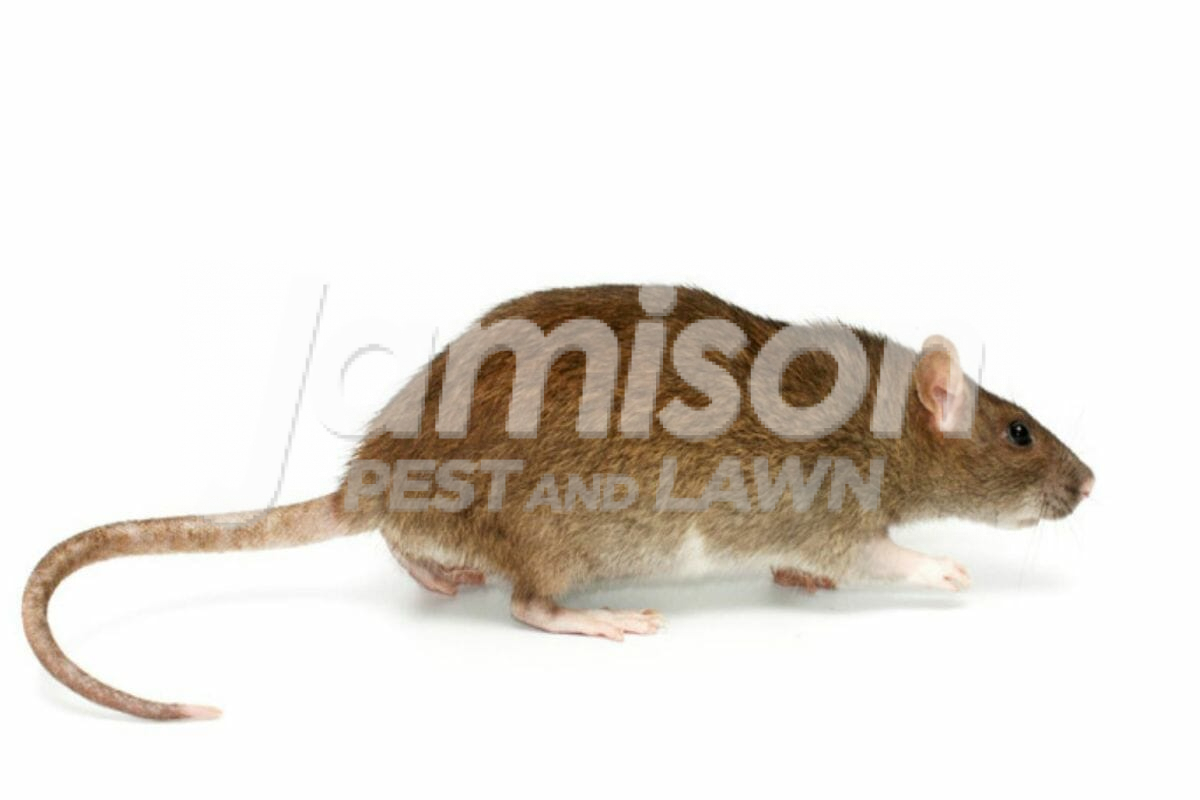
Millington sits close enough to Meeman-Shelby Forest that rodent pressure is a year-round reality for homeowners here, not just a cold-weather nuisance. The mild winters keep rats and mice active longer than in colder parts of the country, and when summer temperatures climb into the 90s, rodents push indoors looking for cooler, drier spaces and easy food sources. The older housing stock throughout Millington, much of it ranch-style and split-level construction, tends to have foundation gaps, aging weatherstripping, and attic access points that make entry straightforward for roof rats and Norway rats. When the ground gets saturated after heavy rains, burrowing rodents get displaced and start moving up into walls, garages, and crawl spaces faster than most homeowners expect.
Effective rodent control in this area means looking at the full picture: how rodents are getting in, where they are nesting, and what conditions on your property are drawing them closer in the first place. Jamison Pest and Lawn works with homeowners throughout Millington to inspect for entry points, remove active populations, and put exclusion measures in place that hold up against the persistent pressure this area sees. Chewed wiring in attics, contaminated storage areas, and gnaw damage to structural materials are all common findings here, and catching them early protects both your home and the people living in it.
How Our Rodent Control Process Works in Millington, TN
Knowing what to expect from start to finish makes rodent control easier to follow. Here is how Jamison Pest and Lawn handles rodent control from the initial visit through ongoing monitoring.
- Step 1: Initial Property Inspection
A technician inspects key rodent travel and nesting areas, including crawl spaces, attics, soffits, garage perimeters, and foundation lines. Evidence such as droppings, gnaw marks, grease trails, and entry gaps is identified and documented. If no active infestation is present, that is communicated clearly before any service is recommended. - Step 2: Treatment and Exclusion Plan Development
Findings are used to create a property-specific plan based on rodent type and activity patterns. Differences in behavior between species, such as roof rats and Norway rats, are considered. Environmental factors, including food sources and surrounding conditions, are also factored into the plan. - Step 3: Trapping and Exclusion Work
Traps and bait stations are placed along active runways and monitored areas. At the same time, entry points are sealed using reinforced materials such as metal flashing and weather-resistant barriers. The goal is to reduce current activity while limiting future access routes. - Step 4: Documentation and Findings Review
After initial service, all findings and actions are documented, including observed activity levels, treated areas, and monitoring station placement. This provides a clear record of conditions and completed work. - Step 5: Follow-Up Monitoring and Adjustments
Follow-up visits are scheduled to reassess activity levels, inspect bait stations, and adjust placement as needed. Ongoing monitoring helps detect changes in rodent pressure and supports continued control over time.
Warning Signs of Rodent Activity in Millington, TN
Catching a rodent problem early can mean the difference between a straightforward removal and dealing with chewed wiring, contaminated storage, or damage to structural materials. Knowing what to look for in your own home gives you a real advantage.
- Droppings near food storage or along baseboards: Fresh droppings are dark and moist. Older ones turn dry and gray. Either way, they confirm active or recent rodent use of that space.
- Gnaw marks on wiring, wood, or stored items: Roof rats and Norway rats both chew constantly to control their teeth, and attics, garages, and wall cavities are common targets in Millington homes.
- Grease trails along walls or floor edges: Rodents follow the same routes repeatedly, leaving oily smear marks from their fur along baseboards and foundation walls.
- Scratching or movement sounds in walls or ceilings: Most activity happens at night. Sounds in the attic or between walls after dark are a reliable indicator of an active population.
- Disturbed insulation or nesting material: Shredded paper, fabric, or insulation pulled into a corner of a crawl space or attic often signals nesting, especially after heavy rain pushes burrowing rodents upward into your home.
- Burrow openings near the foundation: Norway rats dig along foundation lines and under concrete slabs, and fresh soil disturbance around your home's perimeter is worth taking seriously.
If you are noticing any of these signs, the activity is likely further along than it appears. Rodents are cautious and stay hidden until populations grow, so visible evidence usually means others are out of sight.
Species-Specific Bait Station Placement
Roof rats prefer elevated runways along fences and soffits, while Norway rats hug the ground and follow foundation lines. Bait stations are positioned based on the specific species present, placing them along confirmed travel paths near bird feeders, compost areas, or oak tree lines where acorn activity draws rodents in closer to your home.
Structural Exclusion Materials Built to Last
Standard caulk and foam alone won't stop rodents from chewing back through. We use metal flashing over foundation cracks and reinforced weatherstripping on garage doors, materials that hold up against repeated gnawing and stay effective through Millington's humid summers and wet seasons.
Crawl Space and Soffit Monitoring for Forest-Edge Properties
Homes near Meeman-Shelby Forest face consistent pressure from forest-edge populations, particularly during spring population booms and after heavy rains raise the water table. Quarterly crawl space and soffit checks catch early re-entry before rodents have the chance to establish new nesting in wall voids or insulation.
Shared-Wall and Multi-Unit Considerations
In neighborhoods with attached or closely spaced housing, rodents displaced from one unit often move laterally into adjacent spaces through shared wall voids. Monitoring is coordinated with that in mind, tracking droppings and gnaw activity across the full perimeter rather than treating each unit as an isolated problem.
Keep Your Home Rodent-Free in Millington, TN
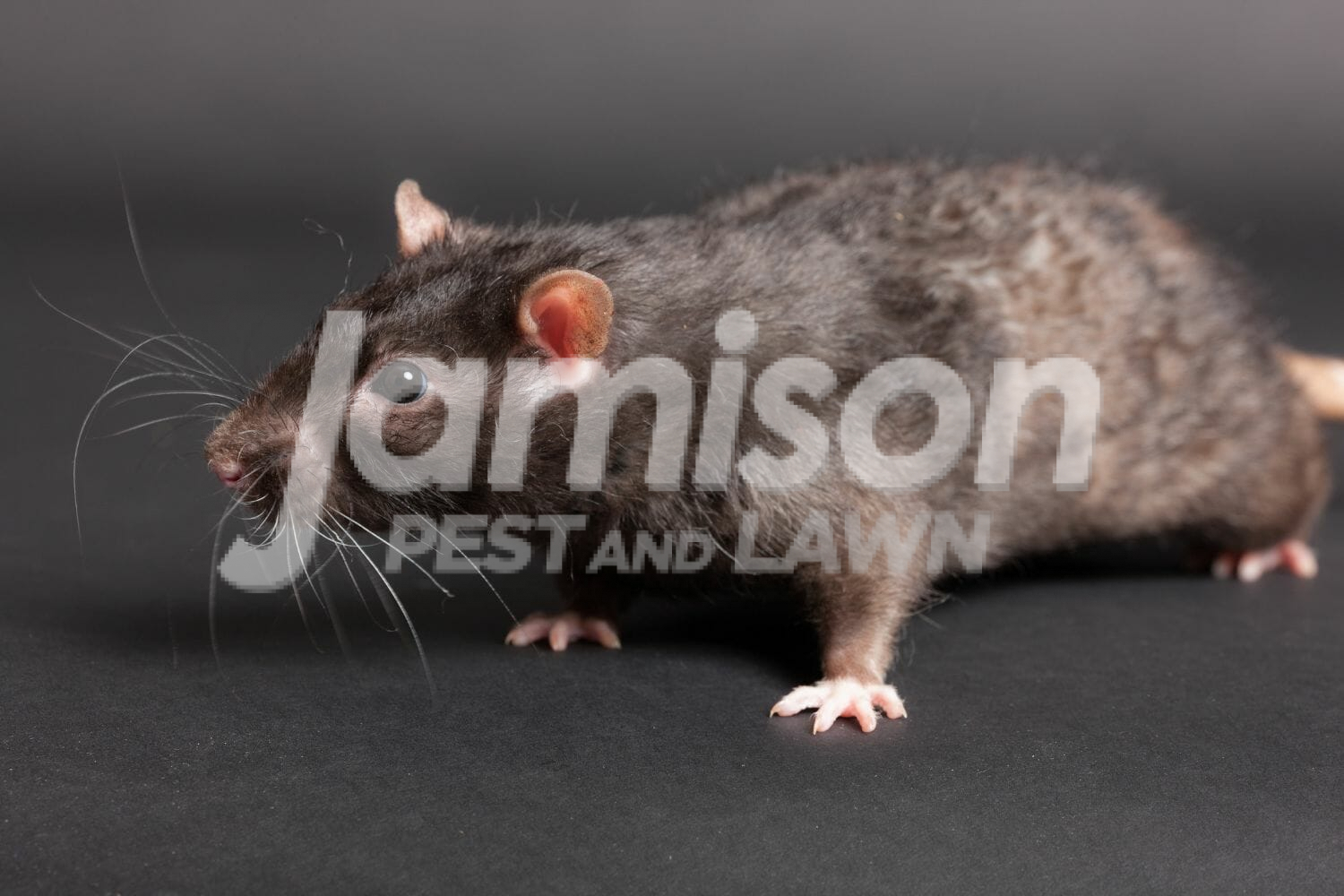
Living near the forest edge and dealing with Millington's warm, wet conditions means rodent pressure on your home doesn't let up the way it might in other parts of the country. Fall is a natural turning point when cooler air pushes rodents into garages, wall voids, and attics in search of nesting space, but protecting your home well before that shift happens makes the whole process more manageable. Staying ahead of an active infestation protects your wiring, your stored belongings, and the structural materials that keep your home sound.
Jamison Pest and Lawn understands what rodent activity looks like in the Millington area and how to address it in a way that holds up over time. If you have noticed signs of activity or just want to know where your home stands, reaching out is a simple first step. We are happy to take a look and give you a straight answer about what, if anything, needs to be done.
Frequently Asked Questions
Got questions about your roof? We’ve got answers. From maintenance tips to insurance claims and repair timelines, our FAQ section covers the most common concerns homeowners have. Get informed and make confident decisions about protecting your home.
Why do I keep seeing rodent activity even after a treatment was done?
Re-infestation is common in Millington because the pressure from forest-edge populations and surrounding agricultural areas doesn't stop after a single service. If entry points weren't fully sealed or if new gaps opened up through settling or weathering, rodents will find their way back in. Ongoing monitoring is what separates a temporary fix from a long-term solution, especially in an area where rodents stay active through most of the year.
Does the high water table in Millington actually affect where rodents show up inside my home?
It does, more than most homeowners realize. After heavy rain saturates low-lying areas, Norway rats that typically burrow near foundations get forced upward and start looking for elevated shelter inside walls, crawl spaces, and garages. This means rainstorms can trigger a sudden spike in indoor activity even if you haven't had a noticeable problem before. It's one reason why rodent control here isn't just about setting traps but also about knowing when conditions are likely to push populations into your home.
Are bird feeders and compost bins actually worth removing, or is that advice overblown?
It's not overblown, particularly here. Millington's oak tree cycles produce heavy acorn seasons that already attract rodents close to homes, and a bird feeder or compost pile on top of that gives them a reliable reason to stay. You don't necessarily have to remove them entirely, but relocating feeders away from the foundation and using rodent-resistant compost bins can reduce the draw significantly. When bait stations are part of a treatment plan, their placement is adjusted around these food sources because that's where rodents are already running.
Contact Us
Stressed Because Of The Pest? Contact Jamison Pest and Lawn Today!
Footer Form