


Wasp Control in Memphis, TN
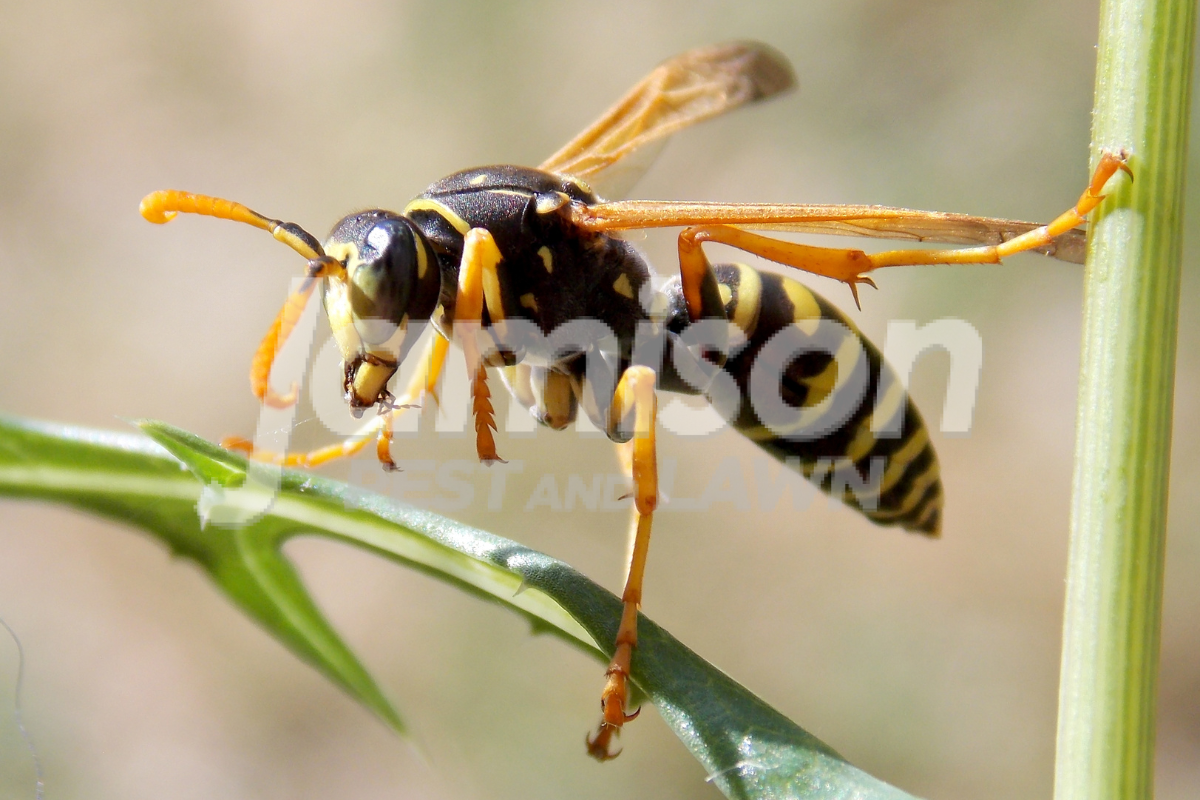
Memphis summers bring more than heat and humidity. They brought wasps, and plenty of them. The warm temperatures, river valley moisture, and abundance of older wood-sided and brick homes throughout the metro create near-ideal conditions for paper wasps, yellow jackets, and hornets to build and expand their colonies. Unlike cities further north, where cold winters naturally knock back wasp populations, Memphis winters are mild enough that some colonies stay active well into December and pick back up again as early as February. That extended season gives wasps more time to establish nests in eaves, soffits, wall cavities, and ground burrows before most homeowners even realize there is a problem.
Effective wasp removal and treatment requires more than knocking down a visible nest. Properties near wooded areas, retention ponds, or drainage ditches see noticeably higher nesting activity, and older homes with deteriorating caulk, wooden fascia boards, and open mortar joints give wasps easy access to protected nesting sites inside the structure itself. A single removal without follow-up treatment often leads to wasps returning to the same spot within weeks, a behavior pattern that makes ongoing prevention just as important as the initial removal.
Jamison Pest and Lawn works with Memphis homeowners to address the full picture, removing active nests, treating exterior surfaces, and inspecting attachment points that invite re-nesting. The goal is lasting control through the entire active season, not just a temporary fix after a close call in the backyard.
How Wasp Control Works in Memphis, TN
Knowing exactly what happens when you call removes uncertainty and makes the process easier to manage before a technician arrives on site.
- Step 1: Initial Property Inspection
A technician inspects the property to identify active nests, entry points, and areas showing signs of nesting behavior. This includes eaves, soffits, ground burrows, wall voids, and any compromised wood or masonry where wasps may gain access. Since yellow jackets frequently nest underground or inside structural cavities, visible nests alone do not provide a complete assessment. - Step 2: Treatment Plan Development
After the inspection, a treatment plan is created based on what was found and why intervention is needed. If the situation is limited in scale, it is communicated directly rather than expanding the service unnecessarily. Treatment is only recommended when there is clear evidence of active activity or risk. - Step 3: Nest Removal and Perimeter Treatment
Active nests are removed or neutralized, and targeted treatments are applied to surrounding entry points and exterior surfaces. This step is particularly important for paper wasps, which often return to the same attachment areas if those surfaces are not properly treated after nest removal. - Step 4: Documentation and Results Review
Once treatment is complete, the technician reviews the findings with you, including where the activity was located and how each area was addressed. You are given a clear summary of the work performed and the overall condition of the property at the time of service. - Step 5: Follow-up Scheduling and Ongoing Plan
In Memphis, wasp activity can extend well into the warm season, making follow-up visits an important part of sustained control. A return inspection may be scheduled to confirm results and address any new nesting activity before peak re-establishment periods occur.
Wasp Nesting Patterns in Memphis, TN
Understanding where wasps nest and why they keep coming back puts you in a much better position to protect your home. Memphis properties deal with a specific combination of conditions that make nesting activity more persistent and harder to fully eliminate without knowing what to look for.
| Wasp Type | Common Nesting Location | Key Risk Factor |
|---|---|---|
| Paper Wasps | Eaves, soffits, and wooden fascia boards | Strong site fidelity: return to the same attachment point after removal |
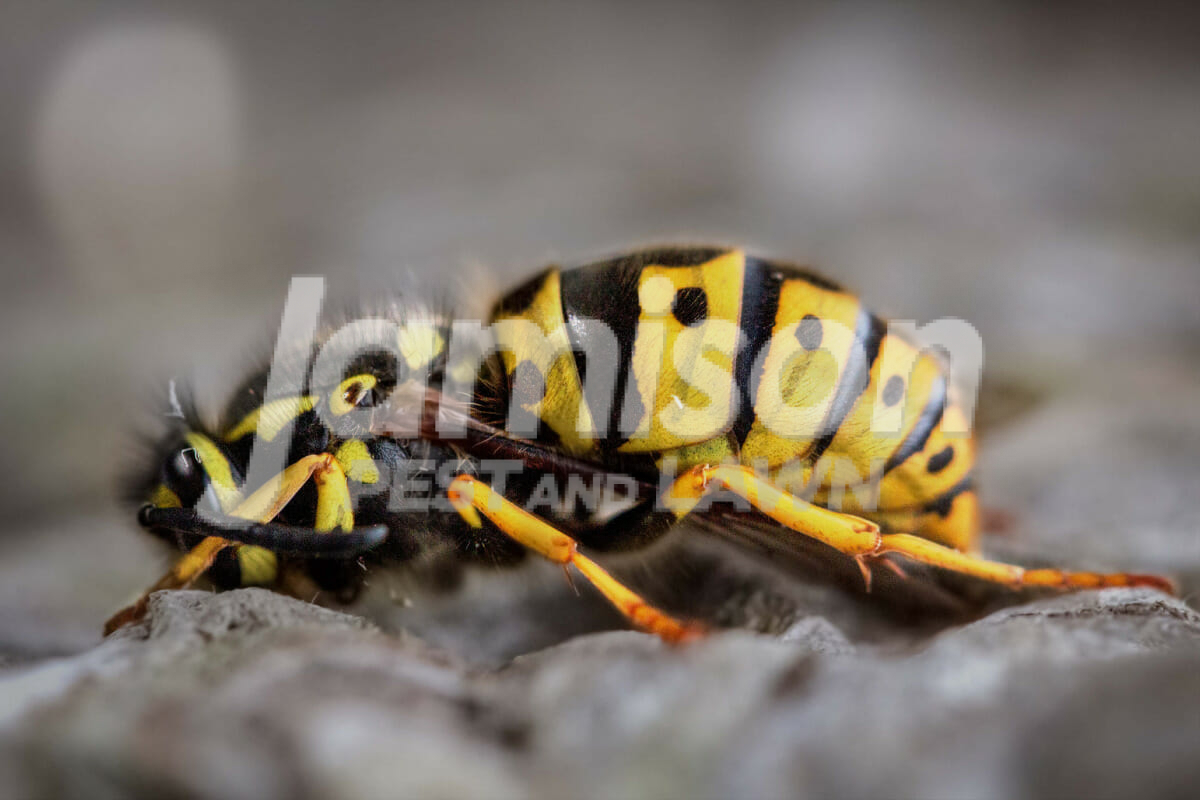
| Yellow Jackets | Ground burrows, wall cavities | Hidden nests make visual inspection alone unreliable |
| Hornets | Shrubs, tree branches, structural overhangs | Large colonies become highly defensive by late summer |
Older Memphis homes present a particular challenge because deteriorating wood, open mortar joints, and gaps behind aging caulk give wasps easy access to protected spaces inside the structure itself. Properties near wooded areas or drainage ditches also see higher nesting pressure due to the moisture-rich environment that supports larger populations. Timing your inspection early in the season matters too. Catching colonies while they are still growing in late spring gives you a meaningful advantage over waiting until peak summer activity, when nests are fully established and far more difficult to address safely.
Ground Burrow and Wall Void Treatment
Yellow jackets in Memphis frequently build nests in places you cannot see from the surface, inside wall voids, beneath concrete slabs, and in ground burrows near foundations and play areas. Jamison treats these hidden nesting sites directly, not just the visible nests, so activity is addressed at the source rather than left to expand underground or inside your walls.
Attachment Point Sealing and Re-Nesting Prevention
After a nest is removed, the attachment point left behind acts as a beacon for new wasp activity, especially with paper wasps, which return to the same spot on your home within weeks. Treating and addressing those anchor points after removal is what separates a short-term fix from control that actually holds through the season.
Targeted Exterior Surface Applications
Memphis homes with wooden fascia boards, deteriorating caulk, and open mortar joints need more than a single-point treatment to stay protected. Perimeter treatments applied to the exterior surfaces of your home create a barrier that discourages wasps from establishing new nests in the gaps and crevices that older construction tends to leave behind.
Extended Season Monitoring Through Fall
Because Memphis winters stay mild enough for some colonies to remain active into December, your protection cannot stop when summer ends. Jamison's follow-up scheduling accounts for the full active season, including the fall window when queens begin moving into structural voids to overwinter, a step that sets the stage for new colony growth the following spring.
Get Wasp Control Handled in Memphis, TN
Memphis properties deal with a longer active season and more persistent nesting pressure than most homeowners expect. The combination of mild winters, river valley humidity, and older home construction means wasps have more opportunities to get established and more places to do it. Waiting until late summer, when colonies are fully built up, makes the whole process harder and puts your family at greater risk during backyard gatherings and everyday outdoor activity. Getting ahead of it while the season is still building gives you a real advantage.
Jamison Pest and Lawn is ready to help you work through it, from the initial inspection to follow-up visits that confirm the treatment is holding. If you are seeing wasp activity around your home or just want to get a clear picture of what is going on before it becomes a bigger problem, reach out to Jamison Pest and Lawn, and we will take it from there.
Frequently Asked Questions
Got questions about your roof? We’ve got answers. From maintenance tips to insurance claims and repair timelines, our FAQ section covers the most common concerns homeowners have. Get informed and make confident decisions about protecting your home.
Why do wasps keep coming back to the same spot on my house even after the nest is gone?
Paper wasps leave behind a chemical trace at the attachment point when a nest is removed, and that signal actively draws them back to rebuild in the same location. Removing the nest without treating the anchor point is essentially an open invitation for a new colony to start up within a few weeks. This is one of the more common reasons homeowners feel like they are fighting a losing battle after a DIY removal attempt.
Are there parts of the Memphis area where wasp problems tend to be worse than others?
Properties near wooded stretches along the river, retention ponds, and drainage ditches see noticeably higher nesting pressure than drier suburban lots further inland. Suburbs like Bartlett and Millington, which back up to wooded corridors, tend to have more persistent activity simply because the moisture-rich surroundings support larger populations. If your yard borders any kind of natural drainage or tree line, you are more likely to deal with repeat nesting season after season.
Is there a point in the season when wasp treatment is no longer worth doing in Memphis?
Because Memphis winters stay mild enough to keep some colonies active into late fall, the window for effective treatment actually runs longer here than most people expect. The more important consideration is that fall is when queens start moving into wall voids and structural gaps to overwinter, and a colony that gets established inside your home's structure in October becomes a much bigger problem the following spring. Treating before that overwintering behavior begins is genuinely worth the effort, even when the weather starts to cool.
Contact Us
Stressed Because Of The Pest? Contact Jamison Pest and Lawn Today!
Footer Form