


Wasp Control in Lakeland, TN
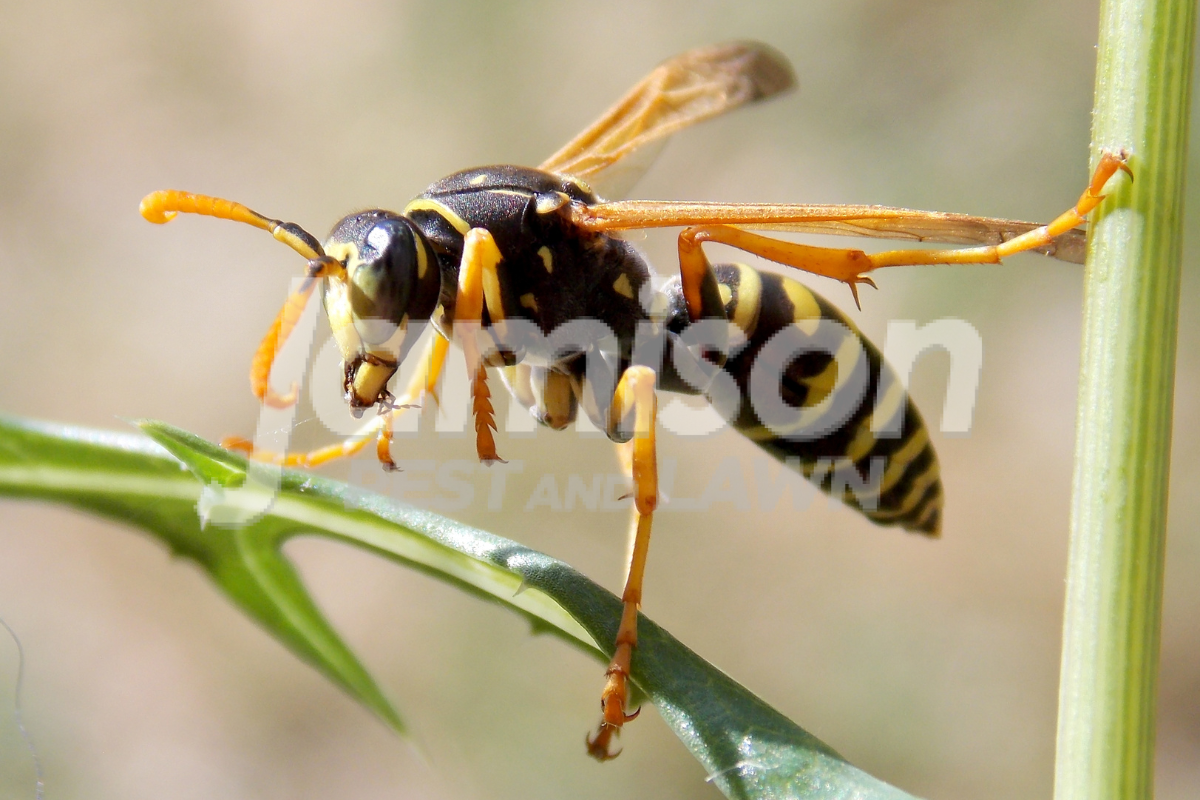
Lakeland's warm summers, mild winters, and humid conditions create near-perfect nesting conditions for wasps well beyond what most homeowners expect. Paper wasps, yellowjackets, and hornets are drawn to the sheltered overhangs, soffits, and attached garages common to the area's suburban homes, and properties near Shelby County's lakes and wooded corridors face even heavier pressure. What starts as a small nest in spring can grow into a serious colony by summer, turning a routine afternoon in the backyard into a genuine sting risk, especially as yellowjackets become increasingly aggressive through late summer and fall when they're scavenging for food near trash cans and outdoor gatherings.
Professional wasp removal service gives your home the kind of protection that a can of spray from the hardware store simply can't deliver. Jamison Pest and Lawn works with Lakeland homeowners year-round, because in this area, wasp activity doesn't stop when the calendar turns. Overwintering queens seek out attics and wall voids during the coldest stretches, meaning early spring inspections are just as important as late summer treatments. A complete approach covers nest removal at all elevations, perimeter treatment to discourage new nesting, and a close look at conditions around your property, like moisture retention near wood siding or gutters holding standing water, that make your home more attractive to wasps in the first place.
How Wasp Control Works in Lakeland, TN
Knowing what to expect before a technician arrives reduces uncertainty and makes the process more straightforward. Here is how Jamison Pest and Lawn handles wasp control from beginning to end.
- Step 1: Initial Property Inspection
A technician inspects the property to locate active nests and identify potential nesting areas, including soffits, fascia boards, chimney caps, garage openings, and shaded structural voids. Conditions that encourage nesting, such as gutter moisture, standing water, or damp wood surfaces, are also noted. If no active infestation is present, that is communicated clearly without recommending unnecessary treatment. - Step 2: Treatment Plan Development
Findings from the inspection are used to build a targeted treatment plan based on nest location, species type, and accessibility. Yellowjackets, paper wasps, and hornets require different handling methods, and nest height or placement influences how the work is performed. The plan is adjusted to match these variables rather than using a uniform approach. - Step 3: Professional Treatment Application
Active nests are treated directly, and perimeter applications are applied where appropriate to reduce the chance of new colony formation. Treatment methods are selected based on nest positioning, activity level, and proximity to entry points or high-traffic areas around the structure. - Step 4: Documentation and Results Review
After service is completed, the technician reviews the results with you, including what was identified, what was treated, and which areas may require future monitoring. This provides a clear record of the work performed and the reasoning behind each step. - Step 5: Follow-up Scheduling and Ongoing Plan
Wasp activity in Lakeland can persist across much of the year, so follow-up timing is often planned around seasonal peaks. Since new colonies can form from overwintering queens in spring, ongoing monitoring may be recommended depending on property conditions and prior activity levels.
Wasp Activity Timing in Lakeland, TN
Timing your wasp control treatment correctly makes a real difference in how effective it is and how safe the removal process can be. In Lakeland, wasp pressure follows predictable seasonal patterns, but the mild winters here mean there is no true off-season. Understanding when different species are most active helps you stay ahead of the problem rather than reacting to it.
| Season | Wasp Behavior in Lakeland | Recommended Action |
|---|---|---|
| Early Spring | Overwintering queens emerge and begin scouting for nesting sites in attics, soffits, and wall voids | Schedule a property inspection to catch colonies before they establish |
| Late Spring to Summer | Paper wasp colonies grow steadily: nests appear along fascia boards, chimney caps, and garage entries | Treat active nests early while colonies are smaller and removal is safer |
| Late Summer to Fall | Yellowjackets enter scavenging mode and become aggressive near food sources and trash receptacles | Mid-to-late summer treatment is important before the outdoor entertaining season peaks |
| Winter | Most colonies die off, but queens seek sheltered interior spaces in attics and wall voids to survive | Year-round monitoring prevents queens from establishing protected overwintering sites |
Properties near Lakeland's wooded areas and water sources tend to see heavier activity across every season, so a single treatment rarely tells the whole story. Staying on a consistent schedule gives your home the best protection year-round.
Species-Specific Treatment Methods
Paper wasps, yellowjackets, and hornets don't all respond the same way to treatment, so we match the product and application method to the specific species found on your property. Getting this right the first time means fewer callbacks and faster results for your family.
Elevated Nest Access at Rooflines and Chimney Caps
Many nests on Lakeland homes sit high along fascia boards, chimney caps, and soffits where standard spraying doesn't reach safely or effectively. Our technicians handle overhead nest removal using proper ladder access suited to the varied roof pitches common to homes in this area.
Moisture and Drainage Condition Flagging
Wood siding holding dampness and gutters retaining standing water are two of the most common reasons wasps keep returning to the same property. As part of your service, we identify these conditions and flag them so you can address the underlying attraction before the next season's nesting cycle begins.
Perimeter Barrier Application to Deter Re-Nesting
Removing an active nest is only part of the job. We apply a perimeter treatment around entry points, overhangs, and other likely nesting spots to discourage new queens from claiming those spaces once the original colony is gone.
Trusted Wasp Control Service in Lakeland, TN
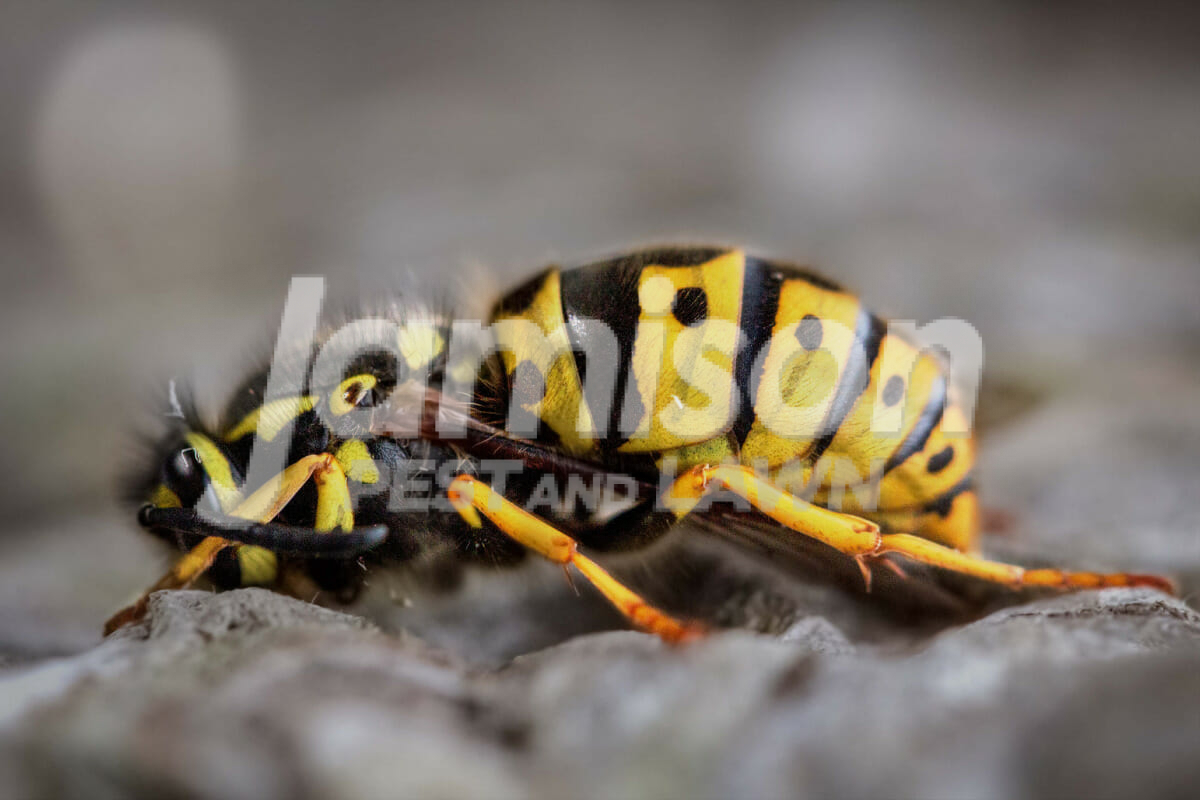
Lakeland's combination of humid conditions, tree canopy, and proximity to local waterways keeps wasp pressure higher than many homeowners realize until they're dealing with an established colony. Catching nesting activity early in the season protects your family through summer and fall, when yellowjackets are at their most aggressive and backyard time matters most. Staying on a consistent treatment schedule is the most practical way to keep your property from becoming a recurring target.
Jamison Pest and Lawn is here to help Lakeland homeowners handle wasp problems the right way, from the initial inspection through follow-up monitoring. If you've noticed activity around your eaves, garage, or roofline, or you simply want to get ahead of the season before colonies have a chance to grow, reach out, and we'll take it from there.
Frequently Asked Questions
Got questions about your roof? We’ve got answers. From maintenance tips to insurance claims and repair timelines, our FAQ section covers the most common concerns homeowners have. Get informed and make confident decisions about protecting your home.
Why do wasps keep coming back to the same spots on my home even after a nest is removed?
Wasps leave behind chemical traces called pheromones that signal to other wasps, including next season's queens, that a location is a suitable nesting site. In Lakeland, homes with wood siding that retains moisture or gutters that hold standing water are especially prone to repeat nesting because those conditions remain attractive regardless of whether a previous nest was removed. A perimeter barrier treatment applied after removal disrupts this cycle by making those areas far less inviting to new colonies.
My neighbor's yard backs up to a wooded area near one of the local lakes. Could that be making my wasp problem worse, even though I'm not directly on the water?
Yes, and this is one of the more underappreciated factors for Lakeland homeowners. Wasps use wooded corridors and water sources as staging areas before moving into residential structures, so properties within a short distance of tree coverage or standing water tend to see more persistent pressure than homes in more open suburban settings. Even if your yard isn't directly wooded, activity originating from a neighboring green space can push wasps toward your eaves, garage entry, and roofline consistently season after season. A treatment plan that accounts for your property's proximity to those areas will be more effective than a one-time nest removal.
Is there a point in the season when I should avoid disturbing a wasp nest on my own while waiting for a technician?
Late summer and early fall are the highest-risk windows for disturbing nests without professional help, particularly if yellowjackets are involved. During this period, colonies are at their largest and yellowjackets shift into an aggressive scavenging pattern, meaning they respond to perceived threats far more intensely than earlier in the season. Paper wasp nests visible in spring are generally more docile by comparison, but any nest located at elevation near your roofline or inside a wall void should be left alone regardless of timing, since the access challenges alone make DIY attempts genuinely dangerous.
Contact Us
Stressed Because Of The Pest? Contact Jamison Pest and Lawn Today!
Footer Form