


Rodent Control in Lakeland, TN
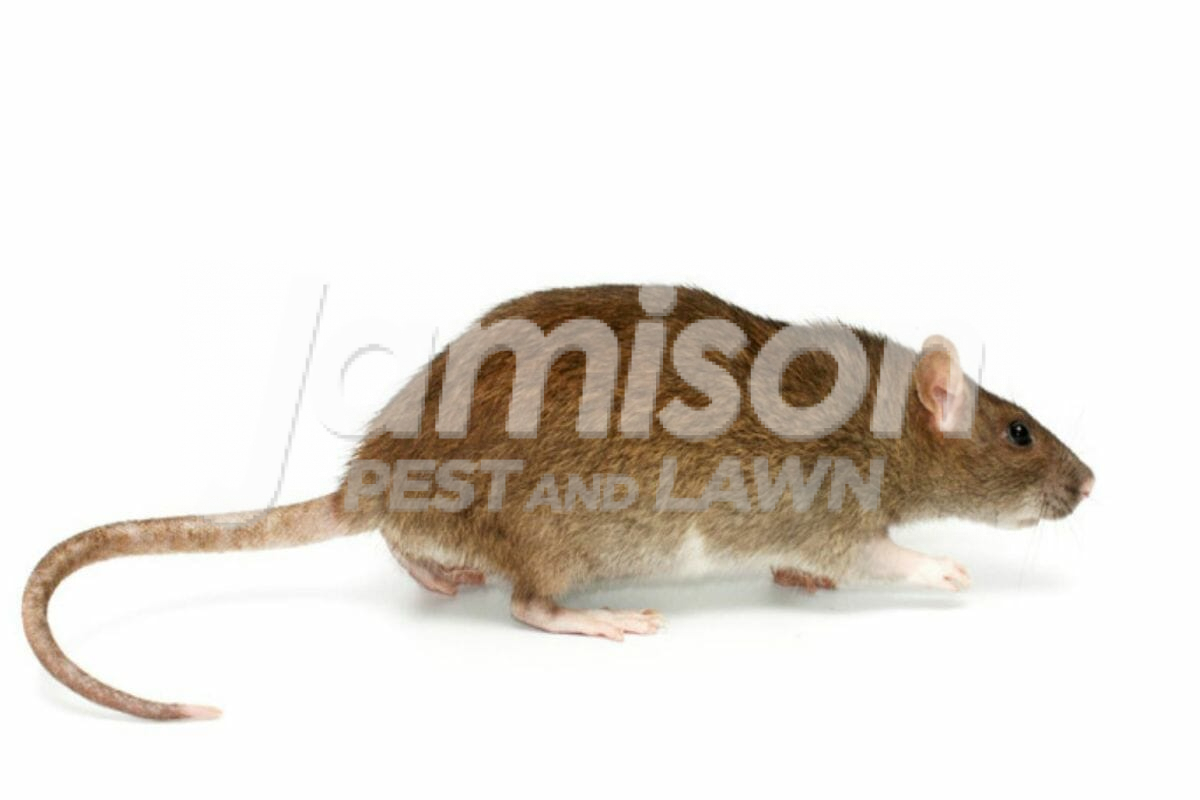
Lakeland’s warm weather and mild winters mean rodents stay active here longer than homeowners often expect. Mice and rats don’t simply disappear when the seasons change. As temperatures drop in fall, they start pushing toward any structure that offers warmth, and properties near wooded lots, open fields, and water features like Garner Lake give them plenty of starting points. Older homes with gaps around foundations, unfinished crawl spaces, and aging attic vents are especially vulnerable, and once rodents find a way in, they nest in wall voids, garages, and storage areas fast.
The consequences go beyond the occasional sighting. Rodents contaminate surfaces, damage stored belongings, and chew through materials that are expensive to repair. Properties near Stonebridge Golf Course and the green spaces along Lakeland’s suburban edges deal with consistent pressure from nearby rodent populations, making one-time treatments rarely enough to hold the line. Year-round control matters here, with extra attention in late fall and winter when indoor nesting becomes more aggressive.
Jamison Pest and Lawn works with property owners across Lakeland to build a control plan that fits your specific situation. That means identifying how rodents are getting in, treating active problem areas, and sealing the entry points that keep drawing them back. Our rodent control service is built around how rodents actually behave in this area, not a generic checklist.
How Our Rodent Control Process Works in Lakeland, TN
Knowing what to expect from start to finish makes rodent control easier to follow and reduces uncertainty during service. Here is how Jamison Pest and Lawn handles rodent control at your property.
- Step 1: Initial Property Inspection
A certified technician inspects the property to locate active rodent activity, entry points, and high-risk zones such as crawl spaces, attic vents, garages, and wall voids. Exterior areas near the foundation are reviewed for gaps, along with interior signs like nesting material or travel paths. If activity levels are low, that is communicated before any treatment is recommended. - Step 2: Treatment Plan Development
Inspection results are used to build a plan tailored to the property and the type of rodent activity present. Factors such as surrounding vegetation, moisture in crawl spaces, and likely movement paths through the structure are considered. Recommendations are limited to what the conditions support. - Step 3: Professional Treatment Application
Targeted treatments are placed in active zones, including bait stations, traps, and sealing of confirmed entry points. Common access areas such as foundation gaps and attic vents are addressed based on observed activity. Applications are aligned with rodent behavior patterns identified during inspection. - Step 4: Documentation and Results Review
After service, findings and actions are reviewed, including treatment locations and observed activity levels. This provides a clear record of what was addressed and how the property was treated. - Step 5: Follow-Up Scheduling and Ongoing Monitoring
Recurring visits are scheduled to monitor activity, refresh treatments, and identify new entry points. This ongoing cycle supports consistent control in areas where rodent pressure remains active through seasonal changes.
Warning Signs of Rodent Activity in Lakeland, TN
Rodents are rarely visible during the day, which means most property owners don’t realize they have a problem until it’s already grown. Knowing what to look for helps you catch activity early, before nesting spreads to wall voids, crawl spaces, or stored belongings in your garage.
- Droppings near food sources or along walls: Small dark pellets near cabinets, pantry shelves, or baseboards are one of the clearest early signs of mouse or rat activity inside your home.
- Gnaw marks on materials: Rodents chew through wood, insulation, wiring, and stored items. Fresh gnaw marks appear lighter in color and indicate current activity rather than an old problem.
- Grease or rub marks along walls: Rodents follow the same travel paths repeatedly, leaving oily smudges where their bodies contact walls and baseboards.
- Scratching sounds in walls or ceilings: Nighttime noises coming from attic spaces or wall voids are a strong indicator of active nesting, particularly during the fall and winter when rodents push indoors.
- Nesting material in hidden areas: Shredded insulation, paper, or fabric tucked into corners of garages, crawl spaces, or storage areas signals an established nesting site nearby.
Properties near wooded lots and open green spaces in Lakeland face higher pressure from outdoor rodent populations, making it worth inspecting these areas regularly rather than waiting for obvious signs inside your home.
Targeted Bait Station Placement
Bait stations are positioned along active rodent runways, near entry points, and in high-pressure zones like crawl spaces and garage perimeters where rodents travel consistently. Strategic placement matters because a station in the wrong spot gets ignored, while one placed correctly along a confirmed travel path produces results much faster.
Wall Void and Interior Nesting Treatment
Rodents nesting inside wall voids require treatment methods that go beyond surface-level approaches, and our technicians are trained specifically to address these hidden nesting sites. Getting into these spaces effectively is what separates a temporary fix from actual control, especially in homes where rodents have already established themselves inside the structure.
Attic Vent and Foundation Gap Sealing
Sealing confirmed entry points is included as part of your service, with attention to attic vents and foundation gaps that are common access spots on Lakeland properties near wooded lots and open fields. Without closing these openings, even the most thorough treatment will keep getting undermined as new rodents move in from surrounding habitats.
Quarterly Monitoring Between Treatments
Between scheduled treatments, we track activity levels at bait stations and check for signs of new entry to catch pressure spikes before they turn into a full reinfestation. Given Lakeland’s year-round rodent activity, staying ahead of the problem between visits is just as important as the treatment itself.
Keep Rodents Out of Your Lakeland, TN Property
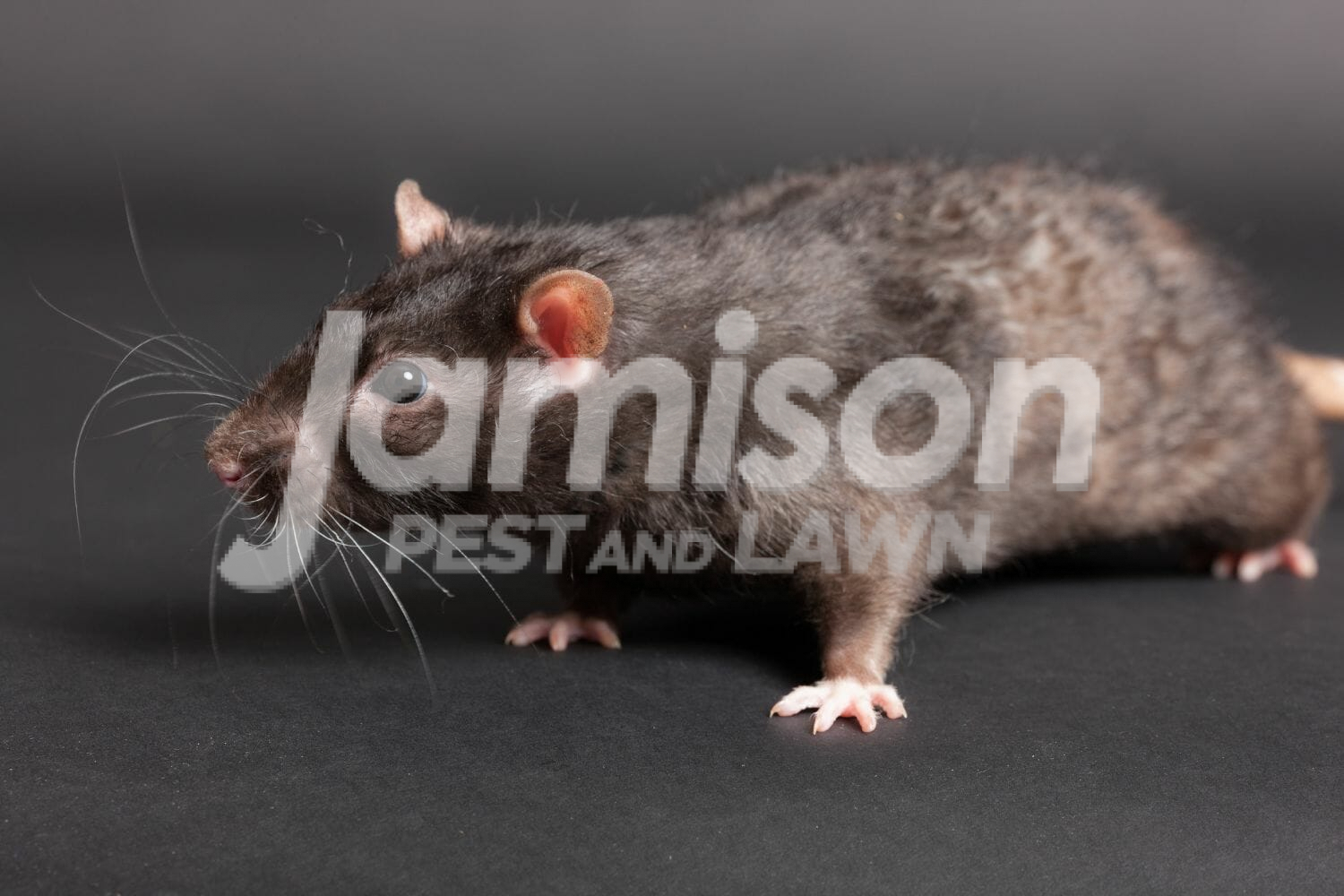
Living near the green spaces and wooded edges that make Lakeland appealing also means your property sits close to consistent rodent pressure that doesn’t ease up much between seasons. If you’re in the Lakeland, TN area, protecting your home from that pressure is less about reacting to a problem and more about staying ahead of one. Rodent damage to wiring, insulation, and stored belongings adds up quickly, and the repairs are far more expensive than routine control.
Jamison Pest and Lawn is familiar with the specific conditions that drive rodent activity in this area, and we build plans around what your property actually needs rather than a one-size-fits-all approach. If you are noticing signs of activity or just want to make sure your home is protected before fall arrives, reaching out to our team is a straightforward next step. We are happy to answer questions and help you figure out where to start.
Frequently Asked Questions
Got questions about your roof? We’ve got answers. From maintenance tips to insurance claims and repair timelines, our FAQ section covers the most common concerns homeowners have. Get informed and make confident decisions about protecting your home.
Why do properties near Garner Lake and Stonebridge Golf Course seem to have worse rodent problems than other parts of Lakeland?
Water features and maintained landscaping create ideal conditions for rodents by providing consistent food sources, shelter, and moisture close to residential structures. Golf course turf and lake edges attract insects and seeds that mice and rats feed on, which keeps populations in those areas dense and active. When those outdoor food sources get disrupted by mowing or seasonal changes, rodents push toward nearby homes looking for alternatives.
Can rodents get back in after the entry points have been sealed?
Yes, and it happens more often than most homeowners expect, especially on properties bordered by wooded lots or fields. Rodents are persistent and will test new gaps that develop over time from settling, weathering, or general wear on the exterior. That is why ongoing inspections matter as much as the initial sealing work, because a gap that didn’t exist last year can become an entry point by the following fall.
What makes wall void nesting harder to deal with than a rodent problem caught early near the foundation?
Once rodents have established nesting sites inside wall voids, standard exterior bait placements alone won’t fully resolve the problem because the activity is happening inside the structure rather than along exterior runways. Addressing wall void nesting requires targeted interior treatment methods that are different from general approaches, and the longer a nest goes untreated, the more material rodents shred for bedding, including insulation and wiring. Catching activity at the foundation level before it moves inward is always the easier and less disruptive situation to deal with.
Contact Us
Stressed Because Of The Pest? Contact Jamison Pest and Lawn Today!
Footer Form