


Wasp Control in Cordova, TN
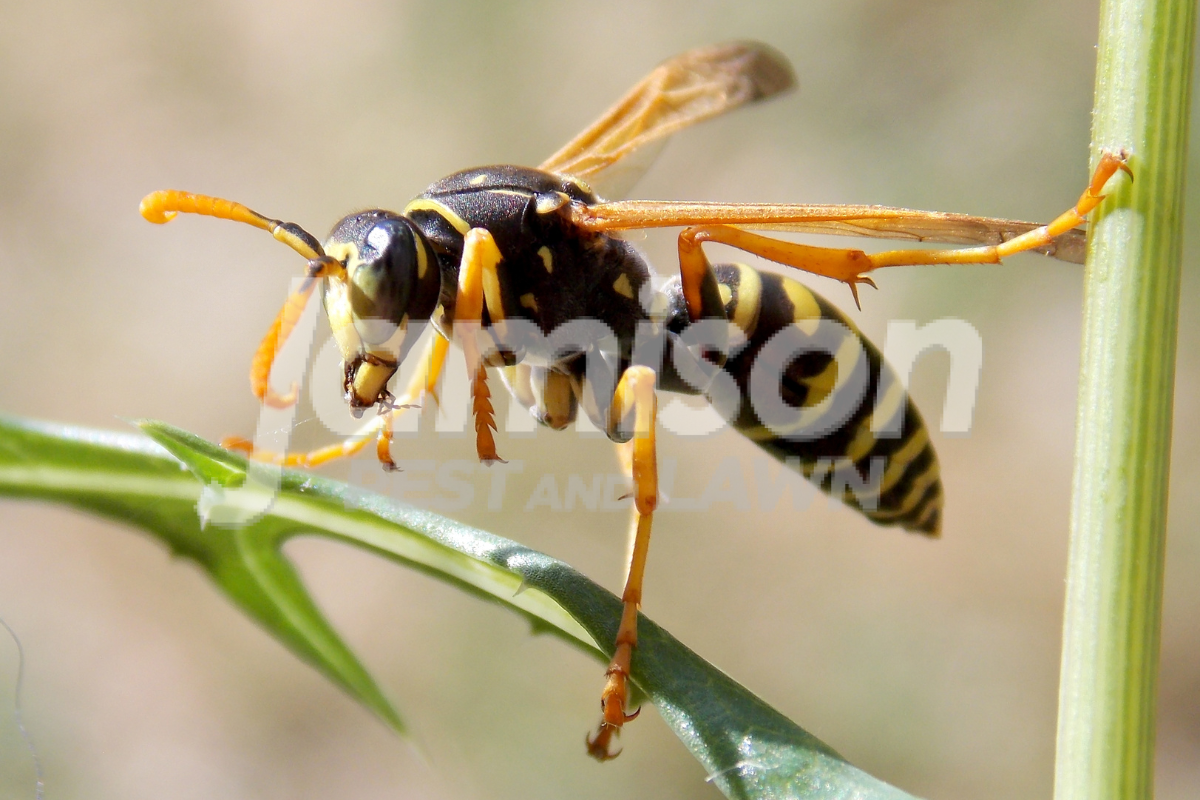
Cordova's warm, humid summers and mature suburban landscaping create conditions that wasps thrive in. Temperatures that push into the low 90s combined with elevated humidity through most of the warm season support aggressive nesting from late April all the way through early October. Homes with wooden eaves, soffits, pergolas, and older exterior trim give paper wasps and mud daubers exactly what they need to establish colonies fast, often building viable nests within a few weeks of the first warm stretch. Properties backing up to wooded areas or with heavy tree canopy face even more pressure, and it's not unusual for a single Cordova home to have multiple active nests at the same time, given how favorable the conditions are here.
What makes wasp problems in Cordova especially difficult is how quickly a manageable situation can change. Colonies that go unnoticed in spring grow through summer, and by mid-June through August, wasp aggression rises sharply as colonies mature and workers become more defensive. What might have been straightforward to address in April becomes a genuinely risky situation by midsummer. Fall activity also lingers longer than most homeowners expect, with paper wasps and ground-nesting species staying active well into September as temperatures stay warm. Jamison Pest and Lawn works with Cordova homeowners year-round to stay ahead of that cycle, inspecting known nesting areas early in the season and treating proactively before colonies have a chance to take hold.
How Our Wasp Control Process Works in Cordova, TN
Knowing what to expect before a technician arrives makes the whole experience easier. Here is exactly how Jamison Pest and Lawn handles wasp control from start to finish.
- Step 1: Initial Property Inspection
A technician walks your property and inspects all likely nesting areas, including eaves, fascia boards, soffits, pergolas, garage overhangs, and ground-level zones near patios and garden borders. Older construction with gaps in exterior trim and caulking receives extra attention, since these areas are common entry points for paper wasps and mud daubers. If prior-year nesting sites are known, those are checked first. - Step 2: Treatment Plan Development
Based on the inspection findings, a targeted treatment plan is created around the specific species and nest locations on your property. If no active nests are present and conditions do not support treatment, that is communicated directly instead of recommending unnecessary work. Properties with multiple nesting sites receive a plan that addresses each location in a controlled sequence. - Step 3: Professional Treatment Application
Nests are treated using methods matched to the species, location, and level of activity. Ground-nesting colonies near patios and structural posts require a different approach than aerial nests under eaves, and that distinction is applied during service. Timing is also considered to reduce exposure risk and improve treatment effectiveness. - Step 4: Documentation and Results Review
After treatment, the technician reviews findings with you, including where nests were located and what was done at each site. You are given a clear summary of the service outcome and what to expect in the days following treatment. - Step 5: Follow-Up Scheduling and Ongoing Plan
Wasp activity in Cordova can continue through late season, especially into early fall. If the property presents recurring risk factors, a follow-up or preventive plan is discussed based on observed conditions. If no additional service is needed, that is stated clearly before the visit concludes.
Wasp Nesting Patterns and Timing in Cordova, TN
Understanding when and where wasps establish themselves on your property gives you a real advantage. Cordova's suburban landscape, with its mature trees, flowering plants, and mix of older and newer construction, creates conditions where nesting happens fast and often in more than one location at a time.
| Season | Typical Wasp Behavior | What It Means for Your Property |
|---|---|---|
| Early Spring (April) | Queens begin scouting nesting sites | Best window for preventive treatment before colonies form |
| Late Spring (May to June) | Colonies establish quickly under eaves, in soffits, and at ground level | Early inspection catches nests before populations grow |
| Midsummer (June to August) | Colonies reach peak size; worker aggression increases sharply | Removal becomes more urgent and more risky without professional help |
| Fall (September to October) | Paper wasps enter reproductive cycles; ground-nesters remain active | Activity continues longer than most homeowners expect |
Properties with gutters that hold standing water, poor drainage near landscaping, or unmaintained exterior trim tend to see heavier wasp pressure throughout the season. Addressing those conditions alongside professional treatment reduces the likelihood of repeat activity. The early April window is worth taking seriously. Prevention before nesting begins costs far less in time and effort than removing an established colony in July when workers are at their most defensive.
Species-Specific Treatment Methods
Paper wasps, mud daubers, and ground-nesting species each respond to different treatment approaches, and using the right one matters for both results and safety. Your service is built around the specific species present on your property, not a one-size-fits-all application that may leave certain nests untouched.
Ground Nest Identification and Treatment
Ground-nesting colonies near patios, deck posts, and garden borders are easy to miss until you accidentally disturb one during yard work or a fall cleanup. Jamison's technicians specifically target these less visible nests, which are common in Cordova yards with sandy or loose soil near landscaping and high-traffic outdoor areas.
Water Source and Attraction Factor Review
Wasps return to properties that offer reliable water sources, including clogged gutters, low spots in landscaping, and standing water near garden areas. As part of your service, your technician identifies these secondary attractants on your property so you know which conditions are drawing wasps back and what adjustments can reduce repeat activity.
Exterior Entry Point and Harborage Review
Gaps in exterior caulking, unsealed trim, and aging fascia boards give mud daubers and paper wasps easy access to sheltered nesting spots, especially on older Cordova homes. Your service includes a review of these vulnerable areas, so you have a clear picture of where your home is most exposed and what conditions may invite nesting in future seasons.
Trusted Wasp Control Service in Cordova, TN
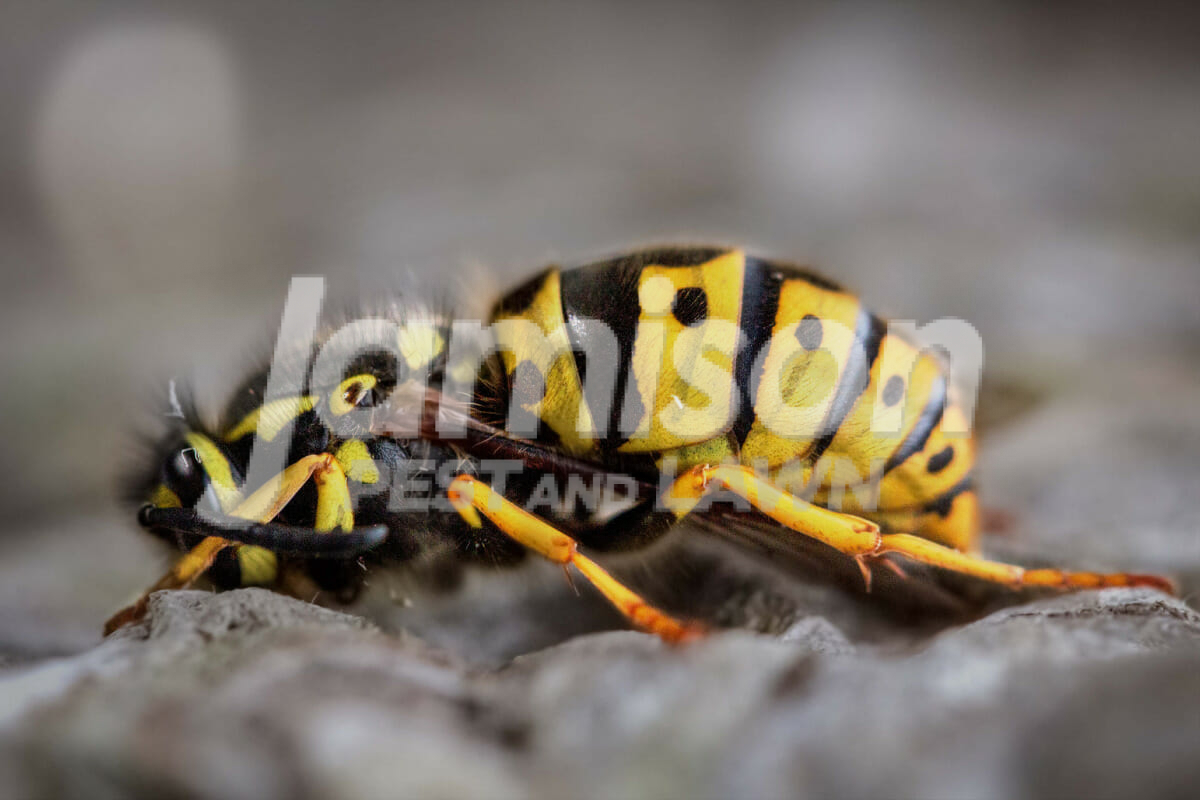
Cordova's long warm season and favorable nesting conditions mean wasp pressure does not follow a neat calendar. Activity builds gradually through spring, peaks during the hottest stretches of summer, and lingers into fall longer than most homeowners plan for. Getting ahead of that pattern rather than reacting to it makes a real difference in how the season goes for your family. A proactive approach protects your home, keeps outdoor spaces comfortable and usable, and avoids the more difficult and risky situations that come with established colonies later in the year.
Jamison Pest and Lawn is familiar with the specific conditions Cordova properties face and builds service around what is actually on your property, not a standard application that treats every home the same way. If you have noticed wasp activity, spotted a nest, or simply want to get ahead of the season before colonies take hold, reaching out to Jamison is a straightforward next step.
Frequently Asked Questions
Got questions about your roof? We’ve got answers. From maintenance tips to insurance claims and repair timelines, our FAQ section covers the most common concerns homeowners have. Get informed and make confident decisions about protecting your home.
Why do wasps keep coming back to the same spots on my house every year?
Wasps leave behind chemical traces on surfaces where nests were previously built, and those signals attract new queens scouting for sites the following spring. In Cordova, older homes with wood eaves, fascia boards, and pergolas are especially prone to repeat nesting because the materials hold those traces well and the structural features offer the same protected conditions year after year. Removing a nest alone does not eliminate the attraction, which is why treating prior-year nesting sites in early spring before new colonies form is a more effective long-term strategy than waiting until a nest is visible and active.
Are there wasp species in Cordova that nest underground, and how would I even know they are there?
Ground-nesting wasps are active across Cordova's yards, particularly in areas with sandy or loose soil near garden borders, deck posts, and landscaping edges. Most homeowners never notice them until a lawn mower, foot traffic, or fall yard cleanup disturbs the colony entrance, which triggers an immediate and intense defensive response. The entrance holes are small and easy to overlook, often blending into mulch or bare soil. Because these nests are hidden from routine visual checks, having a technician specifically look for ground activity during a service visit is the most reliable way to find them before the encounter happens on your terms.
How does Cordova's humidity and summer heat actually affect how aggressive wasps get around my property?
The combination of high humidity and heat that settles over the Memphis metro through summer accelerates colony growth, meaning populations hit their peak size faster and workers become protective of larger colonies earlier in the season than you might expect. By mid-June through August, a colony that seemed manageable weeks earlier can have a significantly larger defensive workforce, and any disturbance near the nest triggers a much stronger response. Elevated humidity also keeps wasps foraging more actively for water, which brings them into regular contact with outdoor living areas. That overlap between peak colony aggression and peak backyard use is one reason summer removal attempts without professional equipment and technique carry real risk.
Contact Us
Stressed Because Of The Pest? Contact Jamison Pest and Lawn Today!
Footer Form