

Wasp Control in Bartlett, TN
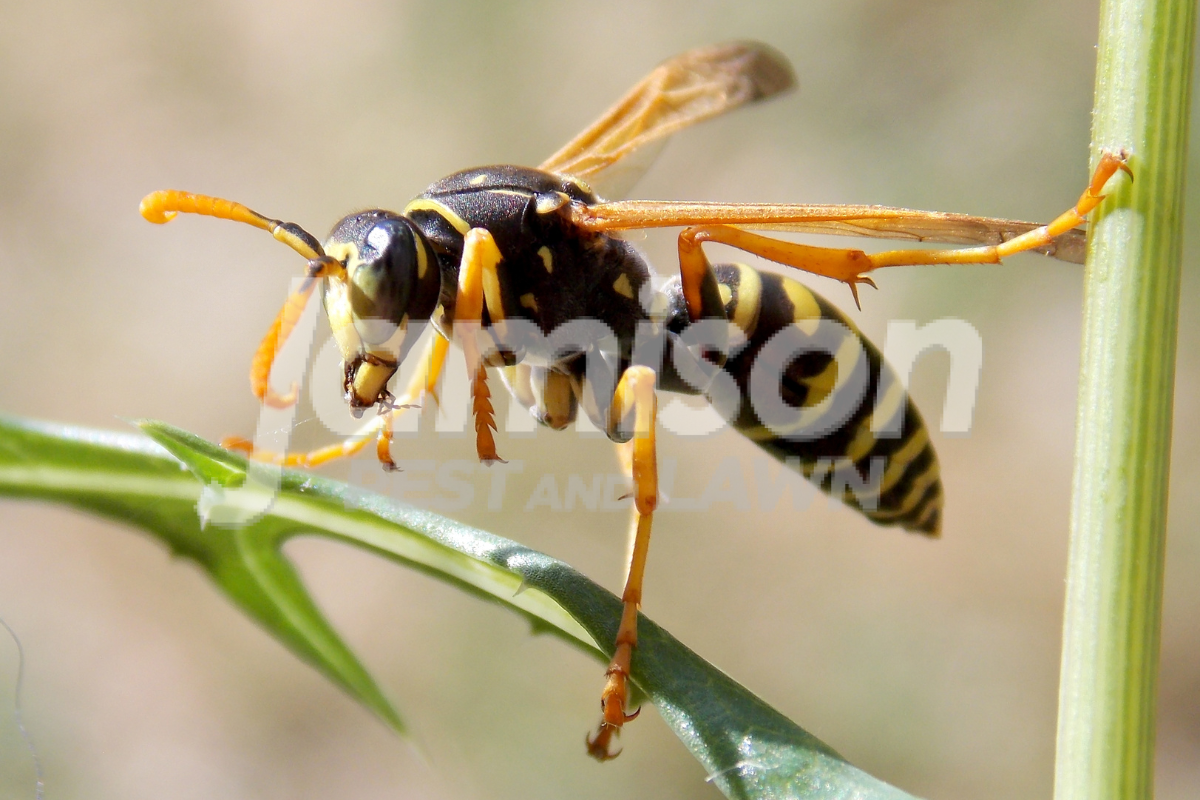
Bartlett's warm, humid summers and mild springs create near-ideal conditions for wasps to nest and thrive across residential properties. From March through early fall, that's roughly 6 to 7 months when colonies are active, expanding, and defending their territory. The mature tree canopy and established landscaping that make Bartlett neighborhoods appealing also give wasps plenty of concealed spots to build. Eaves, soffit gaps, attic vents, and even mulched landscape beds can all host nests that grow to full size within 4 to 6 weeks of forming, often before homeowners realize there's a problem.
Waiting to act usually makes things worse. A small nest spotted in April can become a large, aggressive colony by June. Wasps also tend to return to the same nesting sites year after year, so a single treatment without addressing entry points and applying a barrier treatment leaves your home vulnerable the following season. Vinyl siding, common in newer Bartlett developments, can develop small gaps during temperature changes, creating hidden entry points that are easy to miss without a thorough inspection.
Jamison Pest and Lawn works with homeowners across Bartlett to locate every active nest on a property, treat the source, and protect the structure from future activity. Our pest control services in Bartlett go beyond knocking down a visible nest. The approach includes barrier treatments, entry point identification, and web and nest removal from exterior structures so your family can use your outdoor spaces without worry.
How Our Wasp Control Process Works in Bartlett, TN
A roof replacement is a significant investment, and knowing exactly what to expect from start to finish makes the whole process easier to navigate.
- Step 1: Existing Condition Inspection
Before anything else, we take a close look at your current roof, including the shingles, flashing, roof decking, ridgeline, and edges. We look for soft spots, water damage, deteriorating materials, and anything else that affects how the project should be scaled. This gives us a clear picture of what we're working with before we make any recommendations. - Step 2: Honest Recommendation
After the inspection, we will give you a straight answer. If targeted repairs can realistically extend the life of your roof, we'll tell you that instead of pushing a full replacement. If the condition of the deck or the age of the materials makes replacement the smarter path, we'll explain exactly why so you can make an informed decision. - Step 3: Options, Specifications, and Detailed Quote
Once you're ready to move forward, we walk you through material options suited to the weather conditions here and the specific characteristics of your home. We cover shingle grade, ventilation considerations, and any details specific to your roof's layout. You'll receive a detailed quote with no guesswork involved. - Step 4: Professional Installation
Our crew removes the existing roofing, inspects the deck before installing new material, and addresses any issues found while the roof is open. Flashing, edges, and valleys all receive careful attention because those are the areas where older Williamstown homes tend to develop problems first. - Step 5: Quality Assurance and Final Walkthrough
Once installation is complete, we inspect the finished roof and walk you through what was done. We confirm that everything meets Gloucester County building code requirements and that the system is performing the way it should before we consider the job finished.
Wasp Nesting Patterns and Timing in Bartlett, TN
Understanding where wasps nest and when they become a problem helps you stay ahead of an infestation rather than reacting to one. Bartlett properties offer a surprising number of nesting sites, and knowing which spots are most vulnerable in your home gives you a real advantage.
- Eaves and soffits: Sheltered overhangs are among the most common nesting areas, especially where gaps exist between soffit panels and fascia boards.
- Attic vents and structural gaps: Warm, humid air trapped inside attic spaces makes them attractive nesting environments throughout the active season.
- Vinyl siding seams: Thermal expansion causes micro-gaps in siding that wasps use as hidden entry points, particularly in newer Bartlett developments.
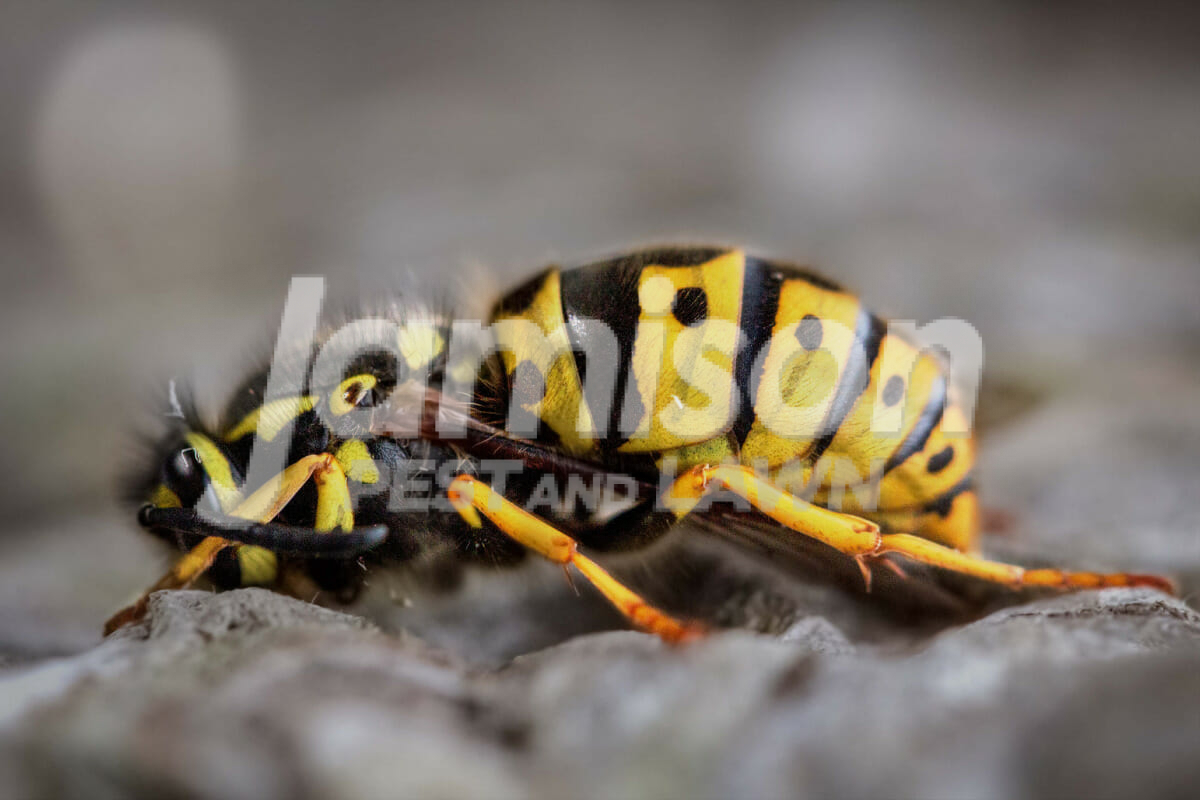
- Landscape beds and mulch areas: Ground-nesting species like yellow jackets commonly establish colonies in mulched beds, around deteriorating fence posts, and near foundation edges.
- Outdoor structures: Sheds, carports, and pergolas offer low-traffic areas where nests can mature before anyone notices.
Timing matters as much as location. Spring emergence in March and April is the best window to address potential nesting sites before colonies grow aggressive. Properties with compromised gutters, poor drainage, or moisture issues tend to attract more wasp activity because damp conditions draw the prey insects that wasps feed on, making those areas worth flagging during any complete property inspection.
Species-Specific Treatment Methods
Not every wasp responds to the same treatment, and using the wrong approach can scatter a colony rather than eliminate it. We identify the species present on your property, whether paper wasps, yellow jackets, or hornets, and apply the method that actually works for that specific type.
Entry Point Sealing Recommendations
After treatment, we flag the exact structural gaps and openings that allowed wasps to access your home in the first place. You get specific, actionable information about where repairs are needed so the same entry points don't invite a new colony back the following spring.
Ground Nest Targeting in Landscape Areas
Subterranean nests in mulch beds, along fence lines, and near foundation edges require a different treatment approach than above-ground nests and are often missed when only visible structures are treated. We address ground-nesting activity directly so the full property is covered, not just the areas easiest to spot.
Residual Barrier Application to High-Risk Zones
Beyond eliminating active nests, we apply a residual barrier treatment to the areas of your home most likely to attract returning wasps, including eaves, soffits, and outdoor structures. This barrier stays active after we leave, giving your property continued protection through the remainder of Bartlett's long wasp season.
Trusted Wasp Control Services in Bartlett, TN
Bartlett's long active season means wasp pressure on your home doesn't let up quickly. From early spring through fall, colonies grow fast, nesting sites multiply, and the same spots on your property will attract new activity year after year without the right barrier treatments in place. Addressing a wasp problem completely, every nest, every entry point, and every high-risk zone, protects your family and keeps your outdoor spaces usable through the seasons when you actually want to be outside.
If you've spotted wasp activity around your home or just want to get ahead of the season before nests become established, Jamison Pest and Lawn is ready to help. Reach out when it works for you, and we'll take it from there.
Frequently Asked Questions
Got questions about your roof? We’ve got answers. From maintenance tips to insurance claims and repair timelines, our FAQ section covers the most common concerns homeowners have. Get informed and make confident decisions about protecting your home.
If I had wasps last year and the nest is gone, why would they come back to the same spot this year?
Wasps leave behind chemical markers at former nest sites that attract new queens looking for a place to build in the spring. Even after a nest is removed, that scent signal can persist on the structure, making the same eave, soffit, or outdoor building a target season after season. A residual barrier treatment applied to those formerly active sites is what disrupts this cycle and keeps returning scouts from choosing the same location again.
Can wasps actually get into the living areas of my home, or do they just nest on the outside?
Wasps can absolutely get inside, and it happens more often in Bartlett homes than most people expect. The vinyl siding common in many local neighborhoods develops small gaps during temperature shifts, and wasps that establish inside wall voids or attic spaces will sometimes find their way into living areas through light fixtures, vents, or gaps around trim work. This is one reason locating every entry point matters as much as treating the nest itself.
Does Bartlett's wet spring weather affect where wasps decide to nest on a property?
It does, in a couple of ways. Properties with drainage issues, compromised gutters, or moisture collecting around the foundation tend to see heavier wasp activity because damp conditions attract the small insects that wasps hunt for food. Areas that stay consistently moist also tend to have more insect prey nearby, which makes those zones more attractive as nesting territory. If your property has standing water or drainage problems, those areas are worth flagging during an inspection as higher-risk spots throughout the season.
Contact Us
Stressed Because Of The Pest? Contact Jamison Pest and Lawn Today!
Footer Form