

Spider Control in Bartlett, TN
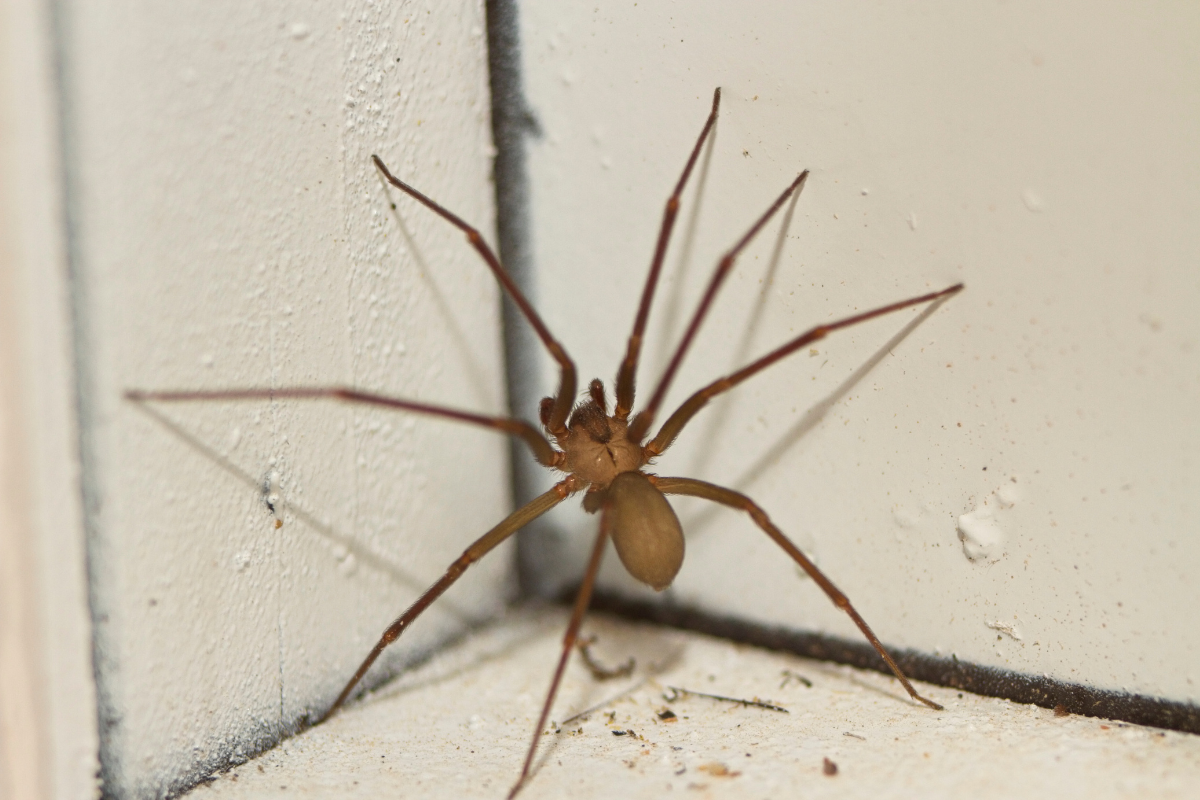
Bartlett sits on the northeastern edge of the Memphis metro area, and the combination of Delta heat, high humidity, and wooded residential lots creates ideal conditions for spiders to thrive close to your home. From June through September, spider activity peaks as the heat pushes them indoors seeking cooler shelter. Rainstorms spike humidity fast, which draws in insects, and spiders follow right behind them. Quiet spaces like basements, garages, and storage rooms fill up with webs along baseboards and behind furniture before most homeowners even notice a problem. Both brown recluse and black widow spiders are present in this area, which makes regular sightings something worth taking seriously rather than ignoring.
The local soil here is heavy in clay, which keeps moisture pressing against foundations throughout the year. That persistent dampness attracts insects, and wherever insects concentrate, spiders settle in. Wooded lots common to many Bartlett neighborhoods add to the challenge, since leaf litter and dense ground cover near the foundation give spiders easy pathways right to your exterior walls. Cracks around pipes, cables, and wires entering the building, along with damaged door seals and unscreened vents, are the entry points spiders use most in local homes. Sealing those gaps before fall is especially important, as cooler temperatures push overwintering species into wall voids and attics.
Jamison Pest and Lawn works specifically in this area and understands how local conditions drive spider pressure in ways that generic treatment plans simply miss. Professional spider control here means treating the right spots at the right time, not just spraying and hoping for the best.
How Our Spider Control Works in Bartlett, TN
Spider activity can be concentrated in areas that are easy to overlook, particularly around sheltered spaces and structural entry points. A detailed inspection helps determine where treatment is needed and what conditions may be supporting the problem.
- Step 1: Interior and Exterior Spider Assessment
We inspect the inside and outside of your home for webs, egg sacs, active spiders, and conditions that may be attracting or sheltering them. Basements, garages, closets, storage rooms, foundation areas, soffit-to-wall transitions, and openings around pipes, cables, and vents all receive attention. Monitoring traps can also be placed in areas showing elevated activity to help identify where spiders are concentrated. - Step 2: Property-Specific Treatment Planning
The inspection findings determine how treatment should be approached. We consider the spider species present, seasonal activity, moisture levels, and available harborage when deciding which areas require attention. If the property does not show conditions warranting treatment, we will tell you that directly. - Step 3: Targeted Spider Treatment and Entry-Point Service
Active webs and exposed spiders can be removed before treatment is applied. Residual products are then used in appropriate areas with elevated activity, while dust applications may be used in suitable voids and concealed spaces. Potential entry points around pipes, damaged seals, and other openings are addressed to reduce opportunities for spiders to return. - Step 4: Treatment Findings and Results Review
After service, we review the findings with you and explain where the greatest spider activity was located, which areas were treated, and why those methods were selected. You will have a clear understanding of what was addressed and what signs to monitor afterward. - Step 5: Follow-Up Monitoring and Continued Service
Spider activity can remain elevated through Memphis's warmer, more humid periods, particularly when insect populations provide an ongoing food source. We recommend follow-up service based on the property's conditions and observed activity, adjusting the approach as those conditions change.
Seasonal Spider Control Tips for Bartlett, TN
Timing matters a lot with spider control in the Memphis metro area. Knowing when spiders are most active and what conditions drive them indoors helps you stay ahead of the problem rather than reacting after populations build up.
| Season | What's Happening | What to Focus On |
|---|---|---|
| Spring | Insects return and multiply, giving spiders a growing food source near your foundation | Clear leaf litter and dense ground cover away from exterior walls: inspect vents and door seals |
| Summer | Delta heat and humidity peak: spiders move indoors seeking cooler shelter, especially after rainstorms | Reduce outdoor lighting near entry points: switch to yellow-tinted bulbs away from doors |
| Early Fall | Overwintering species begin searching for wall voids and attic spaces as temperatures drop | Seal cracks around pipes, cables, and wires before spiders establish inside for winter |
| Winter | Activity slows outdoors, but spiders already inside remain hidden in quiet, undisturbed areas | Use sticky board traps in attics, closets, and storage rooms to monitor for activity |
A dehumidifier in damp spaces like basements and bathrooms also helps reduce the insect populations spiders rely on for food. Keeping firewood stored well away from your home and maintaining a clear perimeter around your foundation are simple habits that support professional treatment and help keep populations from rebounding between visits.
Residual Insecticide Selection
Not every product works the same way in high-humidity conditions like those common to the Memphis metro area. We use residual insecticides suited to local conditions, so treatments hold up longer and continue working between visits rather than breaking down quickly in the heat and moisture.
Void & Structural Dust Applications
Spiders hiding deep inside wall voids, sill plates, and insulated attic spaces are out of reach for liquid sprays alone. Dust applications reach those interior harborage zones directly, targeting populations that would otherwise go untreated and continue building inside your home.
Venomous Species Identification
Brown recluse and black widow spiders require a different level of attention than common house spiders, and knowing which species you are dealing with changes how we prioritize treatment areas and follow-up timing. We identify what is present so the response fits the actual risk in your home.
Food Source Reduction Strategy
Spiders move in wherever insects concentrate, so treating spiders alone without addressing their food source leaves your home vulnerable to reinfestation. We factor in the insect activity around your property and recommend targeted steps to reduce the conditions that keep drawing spiders back in the first place.
Get Spider Control Scheduled in Bartlett, TN
The combination of humid summers, clay soil pressing moisture against foundations, and wooded lots throughout the area means spider pressure in Bartlett is a persistent problem, not a one-season inconvenience. Taking care of it before populations build gives you a home where you are not second-guessing every dark corner in the basement or garage. From the peak of summer heat through early fall, when overwintering species start looking for a way inside, timing your treatment around local conditions makes a real difference in how well results hold.
Jamison Pest and Lawn is familiar with the conditions driving spider activity in this part of the Memphis metro area and can put together a plan that fits your home and your situation. If you have been noticing more webs, spotting spiders regularly, or just want to know what is going on inside and around your property, reaching out to our Bartlett team is a simple first step.
Frequently Asked Questions
Got questions about your roof? We’ve got answers. From maintenance tips to insurance claims and repair timelines, our FAQ section covers the most common concerns homeowners have. Get informed and make confident decisions about protecting your home.
Why do I keep finding spiders in my home even after cleaning and spraying store-bought products?
Over-the-counter sprays break down fast in high-humidity conditions, which means they stop working well before spider activity slows down. Spiders also spend most of their time in voids, under insulation, and along sill plates where surface sprays never reach. Cleaning up webs helps, but it does not address the insects spiders are feeding on, so new spiders move in quickly to take advantage of the same food source.
Does the clay soil common to Bartlett neighborhoods actually affect how bad my spider problem gets?
It does, more than most homeowners realize. Clay-heavy soil holds moisture close to your foundation year-round rather than draining it away, which keeps the ground-level humidity high enough to support a steady insect population right against your exterior walls. That persistent moisture draws insects in, and spiders follow. Homes with poor drainage or low-lying yards tend to see heavier spider pressure for this reason, and treatment plans that do not account for that moisture source tend to need more frequent follow-up visits.
Is there a window of time each year when spider control treatments are most effective in this area?
Yes. Treating between late summer and early fall gives you the best results because you are targeting spiders before they establish inside wall voids and attics for winter. Once overwintering species settle into those interior spaces, they are much harder to reach and can go undetected until spring. A treatment timed to that transition period, combined with sealing key entry points around pipes, cables, and soffit-to-wall junctions, does far more to hold populations down than a mid-summer treatment alone.
Contact Us
Stressed Because Of The Pest? Contact Jamison Pest and Lawn Today!
Footer Form