


Spider Control in Arlington, TN
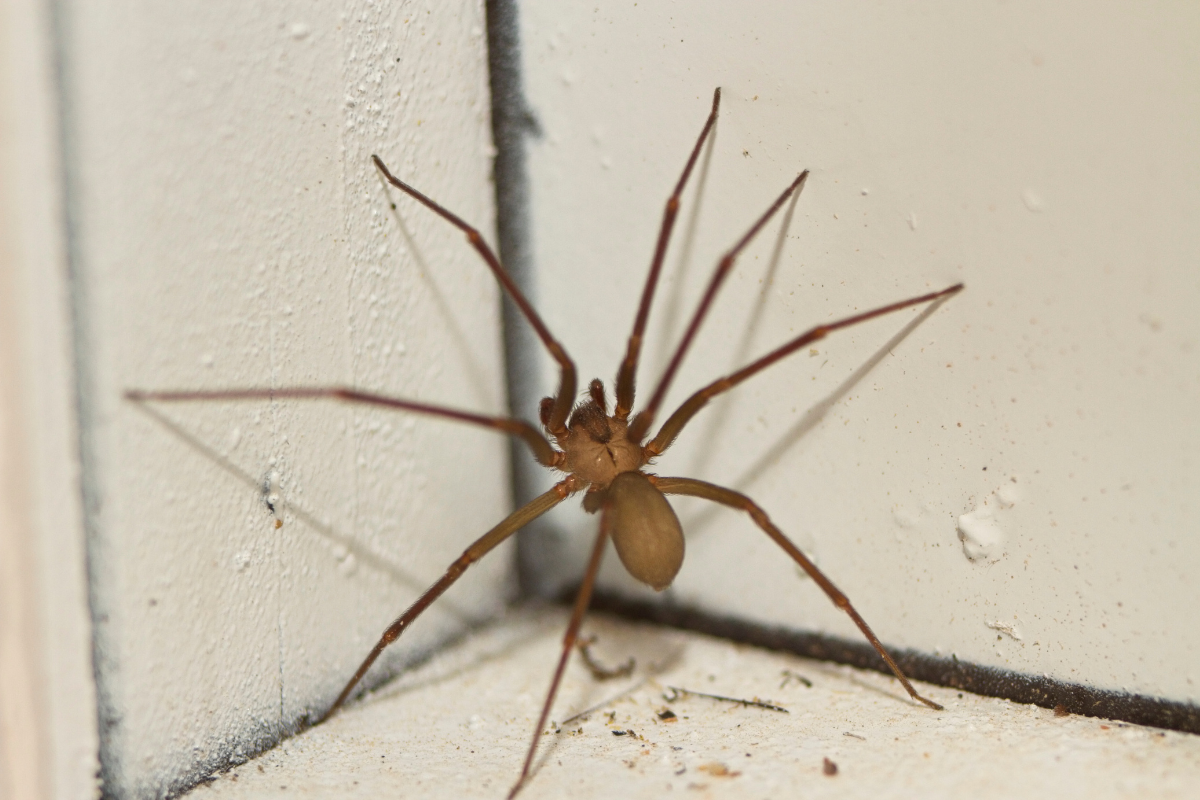
Arlington sits in a part of West Tennessee where the combination of summer heat, high evening humidity, and frequent spring and summer storms creates conditions that spiders genuinely thrive in. As temperatures start to drop in late summer and early fall, spider activity spikes. Mating season pushes them toward buildings, and cooler nights drive them inside in search of warmth. The wood-framed homes common throughout Arlington naturally develop small cracks and gaps over time, and those openings become easy entry points when spiders are on the move. Species like the brown recluse and black widow are present in Tennessee, so this is not always just a nuisance issue. Finding multiple webs or egg sacs in and around your home is a situation that benefits from professional spider control.
Jamison Pest and Lawn works with Arlington homeowners to address spider problems at the source, not just what you can see on the surface. That means looking at the full picture: the perimeter around your home, moisture levels near the foundation, landscaping that may be drawing insects in close to the building, and the interior spaces where spiders tend to hide undisturbed. Spiders follow their food supply, so reducing the insect activity around your property is a key part of keeping spider populations in check. A complete spider control plan accounts for both the immediate problem and the conditions that allow it to keep coming back.
How Spider Control Works in Arlington, TN
Spider control starts with identifying where spiders are active, how they are getting inside, and what conditions are helping them remain around the property. That information determines how treatment and follow-up should be handled.
- Step 1: Spider Activity and Harborage Inspection
A technician examines both the interior and exterior of your home for webs, egg sacs, and areas where spiders are settling. Attics, closets, crawl spaces, and the foundation perimeter receive attention, along with other areas showing signs of activity. Species identification also matters because spiders such as brown recluse and black widow may require different treatment considerations. - Step 2: Entry-Point and Property Assessment
The inspection findings are used to develop a treatment plan specific to your property. We identify potential access points, including siding cracks and gaps around pipes, and look for exterior conditions that may support spider activity. Woodpiles, dense vegetation, and lighting near entrances can all be evaluated as part of that assessment. - Step 3: Targeted Interior and Exterior Treatment
Treatment is applied where spiders are active, establishing harborage, or gaining access to the building. Exterior perimeter applications help address activity around the foundation and entry points, while interior treatment can be used in appropriate undisturbed areas. Locations that do not require treatment are left untreated. - Step 4: Activity Monitoring and Treatment Review
Glue boards can be placed in appropriate locations to help monitor spider activity and evaluate treatment results over time. Your technician reviews the findings with you and explains what the monitoring indicates about activity levels and whether additional treatment may be warranted. - Step 5: Seasonal Follow-Up and Continued Control
Spider activity in Arlington can increase during late summer and early fall, making those periods useful for evaluating whether populations are rebuilding. Follow-up visits are scheduled according to the property's activity and treatment needs, to maintain control rather than wait for another significant increase.
Reducing Spider Activity in Arlington, TN
Even with professional treatment in place, conditions around your home can work against you if they are left unaddressed. Spiders follow their food source, and anything that draws insects close to your building will keep drawing spiders with them. A few targeted changes around your property can make a real difference in how well treatment holds between visits.
- Switch outdoor lighting near entry points: Standard bulbs attract the flying insects spiders feed on. Yellow-tinted or warmer-toned bulbs reduce that draw, especially around doors and windows.
- Move woodpiles and leaf piles away from the foundation: These are preferred harborage spots. The closer they sit to your home, the shorter the path spiders travel to get inside.
- Seal cracks in siding, foundation walls, and pipe gaps: These small openings are how spiders get in, but they also let in the insects that feed them. Sealing them reduces both problems at once.
- Trim vegetation back from exterior walls: Overgrown shrubs and ground cover give spiders and their prey a place to gather right at your doorstep.
- Reduce indoor clutter in attics, closets, and storage areas: Spiders prefer undisturbed spaces. Clearing these areas regularly removes the shelter they rely on to establish webs and egg sacs.
These steps work alongside professional treatment, not instead of it. When the conditions around your home stop supporting spider populations, results last longer between service visits.
Identification of Medically Significant Species
Not every spider in your home carries the same level of risk. When brown recluse or black widow activity is confirmed during the visit, your treatment plan is adjusted to address a health concern, not just a nuisance, which changes both the products used and the areas targeted.
Egg Sac Removal and Web Elimination
Active webs and egg sacs are cleared from treated areas as part of the service. Leaving egg sacs in place means hundreds of spiderlings can hatch after treatment, so removing them is an important part of breaking the reproduction cycle in your home.
Exterior Perimeter Barrier Treatment
A targeted barrier application is applied along the exterior of your home to stop spiders before they reach entry points. This is especially important heading into late summer and early fall, when mating activity and cooler nights push spider movement toward buildings in the Arlington area.
Crawl Space and Attic Zone Treatment
These low-traffic areas are where spiders establish themselves most easily and go undetected the longest. Treating these zones directly reduces the hidden population that can continue building even after surface-level activity appears to have cleared up.

Get Spider Control Scheduled in Arlington, TN
Arlington's warm, humid summers and the cooler nights that follow create a cycle that keeps spiders active well into fall. Homes with wood siding and framing are especially prone to the small gaps that let spiders in when temperatures shift, and they start moving toward shelter. Getting ahead of that window, rather than reacting after you find webs inside, means your home stays more comfortable, and you avoid dealing with a much larger population that has had time to establish.
Jamison Pest and Lawn is familiar with the conditions that drive spider activity in this area and knows how to address them in a way that holds up between visits. If spiders have become a problem around your home, you can learn more about what we offer throughout the Arlington area or reach out to get a plan in place. We are happy to answer questions and help you figure out what makes sense for your property.
Frequently Asked Questions
Got questions about your roof? We’ve got answers. From maintenance tips to insurance claims and repair timelines, our FAQ section covers the most common concerns homeowners have. Get informed and make confident decisions about protecting your home.
Does Arlington's rainfall actually make spider problems worse around the foundation?
Yes, and it is one of the more overlooked factors in this area. Heavy spring and summer storms raise ground moisture levels quickly, which pushes spiders and the insects they feed on upward and toward your home's exterior. Properties with mulch beds, leaf buildup, or woodpiles close to the foundation feel this effect the most, since those materials hold moisture and give spiders a staging area right at the base of the building.
What does a glue board actually tell you about my spider situation?
Glue boards are a monitoring tool that gives us a real count of spider activity rather than a rough guess. Placement matters a lot. They go in low-traffic areas along walls and in corners where spiders naturally travel. In Tennessee pest management, capturing more than 10 brown recluses per month on a single board is a recognized benchmark indicating an active infestation rather than occasional wanderers, and that distinction shapes how aggressively we treat.
Should I change my outdoor lighting to help keep spiders away, and if so, which bulbs actually work?
Switching outdoor bulbs is one of the more effective habitat changes you can make around entry points. Standard white bulbs draw in flying insects at night, and spiders position themselves near lights because the food source comes to them. Yellow-tinted or warmer-toned bulbs are far less attractive to flying insects, so replacing bulbs near doors, garage openings, and windows reduces the activity that keeps spiders coming back to those spots between treatments.
Contact Us
Stressed Because Of The Pest? Contact Jamison Pest and Lawn Today!
Footer Form