


Transform Your Home Into a Mosquito-Free Zone Using Natural Methods
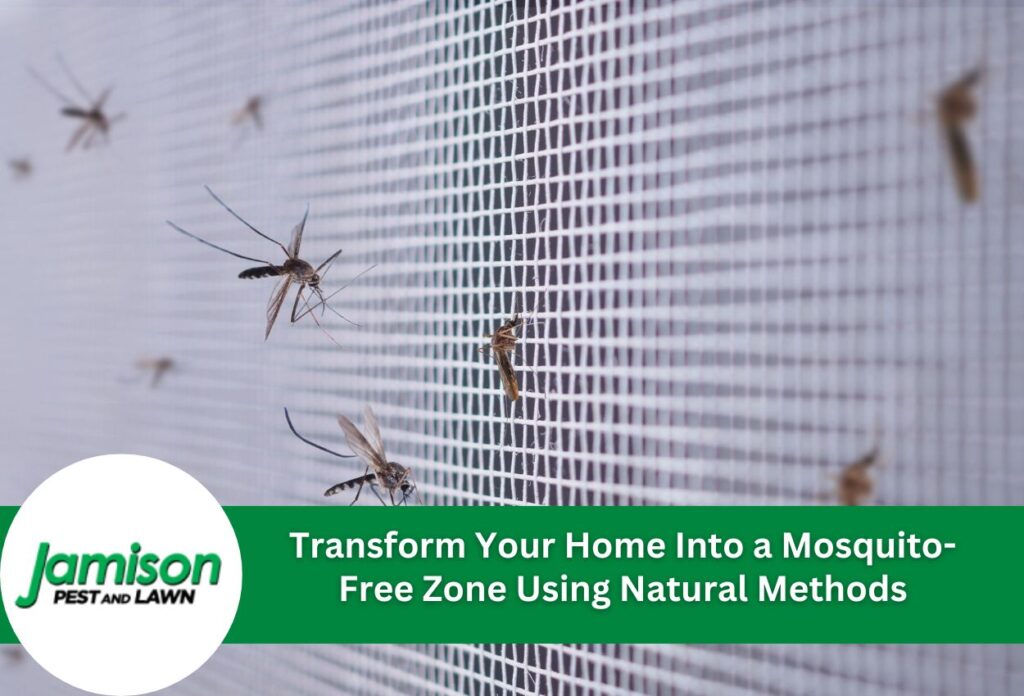

Are mosquitoes turning your peaceful home into an itchy battleground? Natural mosquito repellent for home use offers a powerful solution that protects your family without exposing them to harsh chemicals. These eco-friendly alternatives work by targeting mosquitoes’ sensitive sensory systems, disrupting their ability to locate and feed on human hosts.
Traditional chemical repellents often contain DEET and other synthetic compounds that can cause skin irritation, respiratory issues, and environmental concerns. Natural approaches provide sustained protection while maintaining a healthy indoor environment for children, pets, and adults with sensitive skin conditions.
The most effective natural mosquito deterrent methods combine multiple strategies for maximum impact. Essential oils that can be used as mosquito repellent, such as citronella, peppermint, and eucalyptus, create aromatic barriers that these pests actively avoid. Homemade mosquito repellent solutions using these oils can be applied to skin, clothing, and household surfaces to keep these pests away.
Essential Oil Powerhouses That Send Mosquitoes Packing
Certain essential oils create powerful aromatic barriers that mosquitoes instinctively avoid due to their overwhelming scent. Citronella is the most recognized natural mosquito repellent for home applications, containing citronellal and geraniol that mask human attractants like carbon dioxide and body heat. Peppermint oil delivers dual benefits through its menthol content, which creates cooling sensations that confuse mosquito navigation systems while providing pleasant aromatherapy effects for residents.
Lemongrass oil contains high concentrations of citral, a compound that disrupts mosquito reproduction cycles and feeding behaviors. Eucalyptus oil, particularly the lemon eucalyptus variety, produces cineole compounds that create protective zones lasting several hours when properly applied. These essential oils for mosquitoes work best when combined in homemade mosquito repellent formulations rather than used individually.
Simple Homemade Spray Recipes You Can Make Today
Creating effective organic mosquito spray recipes requires combining the right proportions of essential oils, carriers, and emulsifiers for maximum protection. The most basic homemade mosquito repellent combines two cups of distilled water, one tablespoon of witch hazel, and 20 to 30 drops of citronella oil in a clean spray bottle. Shake vigorously before each use since oils naturally separate from water-based solutions.
For use on skin, a safe dilution requires mixing 10 to 15 drops of essential oil per ounce of carrier oil, like coconut or jojoba oil. Always test diluted mixtures on small skin areas before widespread application, and avoid direct contact with your eyes or nose when using these concentrated natural solutions.
A more potent DIY mosquito control formula blends 3 different essential oils for mosquitoes: 10 drops citronella, 8 drops peppermint, and 7 drops lemongrass with two cups of water and two tablespoons of apple cider vinegar. The vinegar acts as a natural preservative, which can enhance the spray’s mosquito-deterring properties. This organic mosquito spray recipe provides broader spectrum protection than single-oil formulations.
Store homemade sprays in dark glass bottles away from direct sunlight to preserve the potency of the essential oils. Water-based formulations maintain effectiveness for 2 to 3 weeks when refrigerated, while oil-based mixtures last up to 6 months at room temperature. Label containers with creation dates so you can keep track of when to make a new batch.
Strategic Plant Placement for Natural Mosquito Defense
Strategic positioning of natural mosquito deterrent plants creates living barriers that continuously repel mosquitoes from your property without requiring daily maintenance or reapplication. Marigolds excel in hot, humid climates and produce pyrethrum compounds naturally found in commercial insecticides. Their vibrant blooms release mosquito-repelling scents while adding colorful accents to gardens, patios, and window boxes where they create protective perimeters around common gathering areas.
Lavender thrives in well-drained soil and provides dual benefits through its calming aromatherapy effects for humans and overwhelming sensory disruption for mosquitoes. The plant’s essential oils become more potent during hot afternoon hours, making it ideal for placement near outdoor dining areas, doorways, and bedroom windows where evening protection is most needed.
Citronella grass is one of the most recognizable natural mosquito repellents for home landscapes, growing up to 4 feet tall and creating aromatic barriers. Plant these natural mosquito deterrent varieties in clusters rather than single ones to maximize their protective coverage area.
Indoor positioning strategies involve placing potted mosquito-repelling plants near entry points like doorways, sliding glass doors, and frequently opened windows. Outdoor arrangements work best when plants form layered defenses, with taller varieties like citronella grass positioned as outer barriers and lower plants like marigolds filling gaps closer to structures. This systematic approach creates overlapping protection zones that mosquitoes avoid while maintaining attractive landscaping that complements existing outdoor living spaces.
Room-by-Room Natural Protection Strategies
Different rooms in your home need specific mosquito defenses. Bedrooms need gentle, long-lasting protection that won’t disrupt sleep, while kitchens need to address food odors and safety as well as moisture that mosquitoes are attracted to. Living areas benefit from protection methods that maintain comfort during daily activities.
Bedrooms become mosquito magnets due to carbon dioxide expelled from sleeping occupants and warm body temperatures. Essential oils for repelling mosquitoes work particularly well in these spaces through diffusers placed away from where occupants could directly breathe in the oil as it spreads through the air. Lavender and chamomile oils provide dual benefits by promoting restful sleep while creating aromatic barriers that mosquitoes avoid. You can also position natural mosquito deterrent plants like snake plants or peace lilies near windows to filter incoming air naturally.
Kitchen environments attract mosquitoes through organic matter, standing water, and food preparation odors. Homemade mosquito repellent solutions using peppermint and lemon oils can be safely applied around non-food preparation surfaces. DIY mosquito control in kitchens involves eliminating standing water in dish drains, eliminating breeding grounds for the insect. Having an herb garden with basil and rosemary on windowsills can also act as a natural repellent, while also giving you fresh options for cooking.
Living areas with good ventilation create air currents that mosquitoes struggle to navigate through. Ceiling fans on medium speed disrupt mosquito flight patterns while circulating essential oils throughout the space, while organic mosquito spray recipes applied to curtains and upholstery fabrics create protective zones around seating areas without leaving residue.
If you have any pets, be sure to research what plants or essential oils could be harmful to them, as some of the ones mentioned above have the potential to be toxic.
Eliminating Mosquito Breeding Grounds Around Your Property
Preventing mosquito reproduction requires identifying and eliminating the standing water sources where these pests complete their life cycles. Even the smallest water collections can support hundreds of mosquito larvae, making thorough property inspection essential for effective DIY mosquito control. Female mosquitoes deposit eggs in stagnant water, where larvae develop into flying adults within 7 to 10 days under the right conditions.
Common breeding sites include clogged gutters, flower pot saucers, birdbaths, and forgotten containers that collect rainwater. Check areas around air conditioning units where condensation pools, examine outdoor furniture cushions that retain moisture, and inspect playground equipment, tarps, and decorative items that have indentations that could hold water in small pools. Natural mosquito repellent for home protection becomes more effective when combined with habitat elimination strategies.
Hidden breeding grounds often develop in places homeowners rarely consider. Tree holes, storm drain covers, and landscape depressions collect water after rainfall and irrigation cycles. Pool covers that sag create perfect nurseries for mosquito development, while leaky outdoor faucets and irrigation systems provide consistent moisture sources.
Weekly property walks help identify new problem areas before mosquito populations establish. Empty or overturn any containers holding water, clean gutters regularly to ensure proper drainage, and maintain swimming pools with appropriate chemical balance. This proactive approach reduces the need for reactive treatments while supporting the effectiveness of essential oils and other organic mosquito spray recipes used around your property.
Natural drainage solutions help prevent water accumulation without disrupting landscaping appearances or requiring extensive construction projects. Installing simple drainage improvements and maintaining consistent property care routines creates environments where natural mosquito-deterrent plants and homemade mosquito repellent applications can work most effectively.
When to Call Professional Help for Persistent Problems
While natural mosquito repellents for home applications effectively manage most mosquito issues, certain situations require professional intervention beyond DIY mosquito control methods. Persistent mosquito activity despite consistent application of essential oils for mosquitoes and organic mosquito spray recipes often indicates larger underlying problems that need expert assessment and treatment.
Severe infestations that continue after eliminating standing water and implementing natural mosquito deterring plants suggest hidden breeding sources or structural issues requiring specialized equipment to locate and address. Professional pest control services possess thermal imaging technology and moisture detection tools that identify problem areas invisible to homeowners, such as drainage issues within wall cavities or underground water accumulation.
Warning signs include mosquito activity during daylight hours, unusually large swarms near entry points, and bites occurring despite regular homemade mosquito repellent applications. These symptoms often indicate species that resist traditional natural control methods and require targeted professional treatment approaches.
Professional services complement natural protection strategies rather than replacing them entirely. Expert technicians can address breeding sites in storm drains, septic systems, and other areas where homeowners cannot safely apply DIY solutions. They also provide mosquito population monitoring that helps time natural deterrent applications for maximum effectiveness throughout peak activity seasons.
Combining professional intervention with continued use of essential oils for mosquitoes and natural deterrent plants creates a long-term protection plan that addresses both immediate mosquito problems and prevents future population surges around your property.
Experience a Mosquito-Free Home with Natural Solutions
If you’ve tried various methods and still find your home is under attack by mosquitoes, it might be time to call in the experts. At Jamison Pest and Lawn, we know the importance of maintaining a safe, mosquito-free environment using natural and effective solutions. Our team is equipped to handle persistent problems that go beyond DIY solutions, ensuring your home remains comfortable and pest-free.
Don’t let mosquitoes ruin your home comfort. For professional assistance in Memphis, call Jamison Pest and Lawn today at (901) 452-1505 and take the first step towards a naturally protected home.
Related Articles
-
 July 18, 2025Are Mosquito Control Services Worth It? Evaluating the True Value of Your HomeAre mosquito control services worth it? Compare pro treatments vs. DIY and see if they’re the right choice for your home and health.
 -
 June 6, 2025When Are Mosquitoes Most Active in Tennessee? Peak Times and SeasonsWhen do mosquitoes peak in Tennessee? Learn the active seasons and times so you can avoid bites and enjoy the outdoors with confidence.
 -
 May 22, 2023How Much Does Mosquito Control Cost In Memphis, Tennessee?Imagine a warm summer evening in Memphis, Tennessee, with a gentle breeze and the smell of barbecue in the air. It’s the perfect setting for outdoor gatherings, relaxation, and making lasting memories. But during these events, you may suddenly hear an annoying buzzing sound. Well, this is a noise that signals mosquitoes have made their … <p class="link-more"><a href="https://www.jamisonpest.com/blogs/mosquito-control-cost/" class="more-link">Continue reading<span class="screen-reader-text"> "How Much Does Mosquito Control Cost In Memphis, Tennessee?"</span></a></p>
Protect Your Home & Yard With Expert Pest & Lawn Services
Don’t wait for pests or an overgrown lawn to take over your property. Our experienced lawn and pest control team provides fast, reliable service, proven treatments, and lasting results. Keep your home and yard healthy, protected, and looking great—contact us today for a free estimate.