


How to Keep Spiders Out of Your House: Simple and Effective Strategies
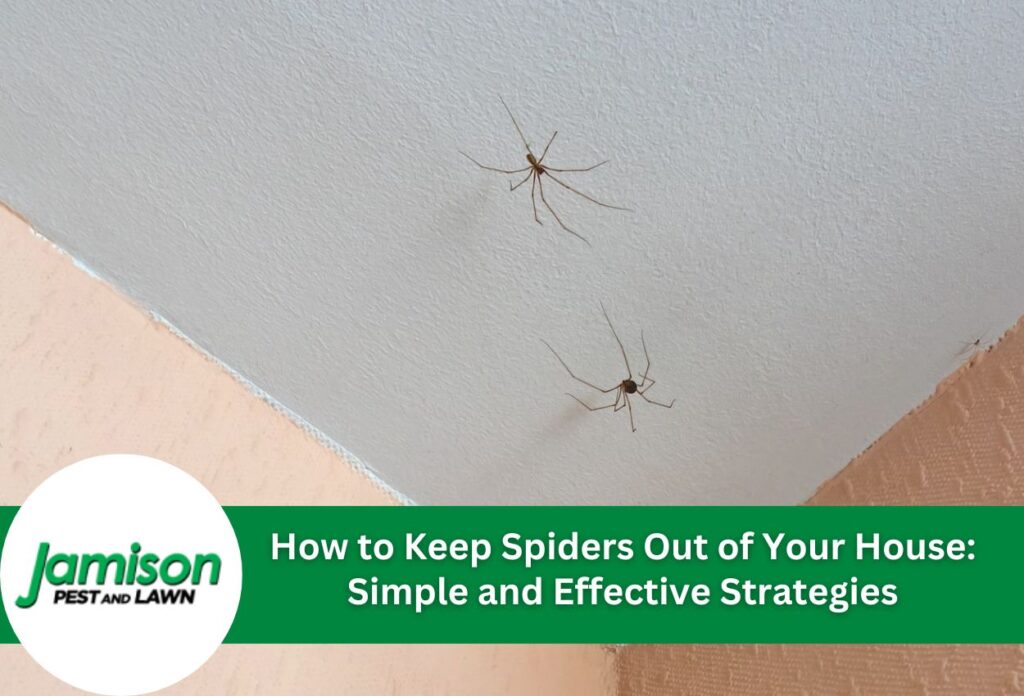
Spiders find their way into homes through the smallest openings, searching for food, water, and shelter. These eight-legged visitors enter through cracks around windows, gaps under doors, and tiny spaces where pipes enter walls. Once inside, they settle into quiet corners, basements, and areas where other insects gather, creating an ideal hunting ground.
Understanding what draws spiders indoors helps homeowners take effective action. Spiders follow their food sources, which means homes with flies, mosquitoes, and other small insects naturally attract more spiders. Cluttered spaces, moisture problems, and outdoor lighting that draws insects all contribute to spider activity around and inside homes.
Effective spider prevention tips focus on eliminating these attractants without relying on harsh chemicals. Simple methods like sealing cracks and crevices prevent entry points, while reducing spider food sources makes homes less appealing to these pests. Natural spider repellent options provide safe alternatives for families concerned about chemical treatments.
The most successful approach combines multiple prevention methods. Homeowners who address entry points, manage moisture levels, and keep a cleaning schedule generally see dramatic reductions in spider activity. These proven strategies work consistently when applied together, creating an environment that naturally discourages spiders from taking up residence indoors.
Block Spider Entry Points Around Your Property
The most effective spider prevention starts with identifying where these pests gain access to your home. Common entry points include gaps around window frames, spaces beneath doors, cracks in foundation walls, and openings where utility lines enter the structure. Spiders can squeeze through surprisingly small spaces, so even minor gaps provide easy access routes into living areas.
To seal cracks and crevices effectively, inspect the exterior of your home during daylight hours. Look for splits in siding, damaged weatherstripping, and loose-fitting screens. Areas around air conditioning units, dryer vents, and outdoor faucets often contain overlooked openings that allow spiders in. Pay extra attention to basement windows and crawl space vents, which frequently have damaged screens or missing covers.
Simple weatherproofing techniques provide long-lasting protection against spider invasions. Apply caulk to seal small cracks around windows and door frames, replace worn weatherstripping, and install door sweeps to eliminate gaps under exterior doors. Metal mesh works well for larger openings around pipes, as it blocks access while allowing proper ventilation.
Regular maintenance of these sealed areas ensures continued protection. Check weatherstripping seasonally and replace damaged sections promptly. This proactive approach to blocking entry points significantly reduces the need for other spider control methods while creating a more energy-efficient home.
Remove What Spiders Love to Eat in Your Home
Most pests enter homes primarily to look for food, making it essential to reduce spider food sources that attract these pests indoors. Common household insects like flies, gnats, mosquitoes, ants, and small beetles serve as primary meals for house spiders. When these prey insects thrive inside your home, spider populations naturally follow and establish themselves in areas with abundant hunting opportunities.
Kitchen areas require the most attention since food crumbs and spills attract flies, ants, and other insects that spiders consume. Regular cleaning of countertops, floors, and pantry shelves eliminates food particles that draw spider prey. Empty trash cans frequently and clean them thoroughly to prevent odors that attract flies. Store food items in sealed containers and promptly clean up spills to reduce insect activity throughout the home.
Basements and storage areas often harbor insects due to moisture and clutter, creating ideal spider habitats. Remove cardboard boxes and replace them with plastic storage containers, as cardboard attracts silverfish and other insects that spiders hunt. Address moisture problems with dehumidifiers or improved ventilation to discourage insect breeding in damp areas.
Implementing these strategies as part of comprehensive pest prevention creates an environment where spiders struggle to find adequate food sources. When combined with natural spider repellent methods, this approach discourages these pests without chemical treatments.
Natural Scents That Send Spiders Running
Essential oils are a powerful natural spider repellent that effectively discourages these pests without introducing harmful chemicals into living spaces. Peppermint oil ranks among the most effective options, as its strong menthol scent overwhelms spider senses and disrupts their ability to detect prey. Tea tree oil offers similar repellent properties while providing antifungal benefits that reduce moisture-related problems spiders find attractive.
Creating effective essential oil combinations enhances their spider-deterring power. Mix equal parts peppermint and tea tree oil with water in a spray bottle, then apply around doorways, windows, and other potential entry points. Eucalyptus oil blended with lavender creates another potent combination that spiders avoid while leaving a pleasant scent for homeowners. Reapply these natural treatments often for consistent protection.
Common household items also serve as effective spider deterrents when strategically placed around the home. White vinegar creates acidic barriers that spiders refuse to cross when sprayed along baseboards and window sills. Fresh citrus peels from oranges, lemons, and limes contain natural oils that repel spiders when placed near entrances or in corners where spiders typically build webs.
These natural approaches work best when combined with other spider prevention tips like sealing cracks and crevices. The scent barriers created by essential oils provide ongoing protection that refreshes easily, making them ideal components of comprehensive pest management strategies that prioritize family safety and environmental responsibility.
Smart Cleaning Habits That Discourage Spiders
Consistent cleaning practices create the most effective long-term defense against spider infestations by eliminating the conditions these pests need to establish themselves indoors. Regular maintenance removes existing webs, destroys egg sacs before they hatch, and eliminates the dark, undisturbed areas where spiders prefer to build their nests. These proactive cleaning methods work better than reactive treatments because they prevent spider problems before they develop into larger infestations.
Vacuuming can target spider activity zones throughout the home, including corners where walls meet ceilings, areas behind furniture, and spaces under stairs. Use vacuum attachments to reach into crevices around window frames, baseboards, and door jambs where spiders commonly construct webs. Pay special attention to basement corners, garage areas, and storage rooms where spiders often remain undisturbed for extended periods while building extensive web networks.
Decluttering strategies eliminate the hiding spots and nesting areas that make homes attractive to spiders seeking shelter. Remove stacks of newspapers, magazines, and cardboard boxes from storage areas, replacing them with sealed plastic containers that provide fewer hiding places. Clear items away from walls to eliminate dark corners where spiders typically establish their webs, and organize storage areas to allow regular cleaning access.
Weekly cleaning schedules that include thorough vacuuming and dusting discourage spiders, especially when used with other prevention methods like repellents and sealing entry points.
Outdoor Prevention Steps That Protect Your Indoor Space
Effective spider control begins outside your home, where landscape maintenance and lighting directly impact indoor spider activity. Outdoor spider populations serve as the primary source for indoor invasions, making exterior prevention strategies essential components of comprehensive pest management. Properties with well-maintained yards and strategic lighting often see significantly fewer spiders attempting to enter living spaces throughout the year.
Foundation areas require regular attention to prevent spiders from coming inside. Keep grass trimmed short within 3 feet of your home’s exterior walls, and remove weeds that provide shelter for both spiders and their prey insects. Clear away leaf piles, wood stacks, and garden debris from around your foundation, as these materials create ideal spider habitats. Trim bushes and shrubs away from exterior walls to eliminate pathways that spiders use to reach windows, doors, and other entry points.
Outdoor lighting choices play a crucial role in spider prevention by controlling the insects that attract hunting spiders. Replace standard white bulbs with yellow or sodium vapor lights, which attract fewer flying insects that spiders feed on. Position lights away from entry points when possible, directing illumination toward pathways rather than directly onto doors and windows. Motion-activated lighting provides security while minimizing the time lights remain on to attract insects.
Garden maintenance practices that reduce spider food sources include removing standing water sources where mosquitoes breed and maintaining clean outdoor eating areas, resulting in comprehensive protection that starts at your property line.
When to Call Professional Pest Control Services
Certain warning signs indicate spider problems have progressed beyond what standard prevention methods can effectively manage. Multiple spider webs appearing throughout the home despite regular cleaning efforts suggest an established infestation requiring professional intervention. When spiders continue returning after you’ve implemented comprehensive prevention strategies, the cause is likely populations hidden in walls or other inaccessible areas.
Venomous spider sightings always warrant immediate professional attention, as identification and safe removal require specialized knowledge and equipment. Large numbers of egg sacs discovered in storage areas, basements, or behind appliances indicate active breeding that will produce hundreds of new spiders without expert treatment. Recurring spider problems often stem from structural issues or hidden moisture sources that professionals can identify.
Professional spider control services provide comprehensive property assessments that identify problem sources homeowners typically miss during routine inspections. Certified technicians locate breeding sites, assess entry points that standard sealing methods cannot address, and implement targeted treatments that eliminate existing populations while preventing future infestations. These services often include follow-up visits and monitoring programs that ensure long-term protection.
Memphis homeowners can expect thorough property evaluations, customized treatment plans that work alongside existing prevention efforts, and ongoing maintenance schedules that adapt to seasonal spider activity. Professional services complement DIY methods like essential oils for spiders rather than replacing them entirely.
Effective Spider Control Services in Memphis
If your efforts to keep your house spider-free aren’t cutting it, it might be time to call in the professionals. At Jamison Pest and Lawn, we specialize in assessing and handling spider infestations. Whether it’s sealing cracks, implementing natural repellents, or regular maintenance, our team ensures your home remains spider-free without the use of harsh chemicals. Don’t let spiders take over your home. Call us today at (901) 452-1505 to schedule a consultation and learn more about our customized spider prevention plans for Memphis homeowners.